
Author: eliyokimcohen

  • Humility is One of the Highest Virtues in Judaism and is the Secret to Success in Life

    Humility is One of the Highest Virtues in Judaism and is the Secret to Success in Life

    Humility (anavah) is one of the highest virtues in Judaism. Rather than self-deprecation, it is the capacity to recognize your own gifts as Divine blessings and remain open to the greatness of God and others. In the Torah, it is the defining characteristic of greatness.

    Why Humility is Central to Torah and Judaism

    The Mark of True Leadership: Moses, the greatest prophet and leader in Jewish history, is described in the Torah as “more humble (anav) than any man on the face of the earth” (Numbers 12:3). True Jewish leadership requires humility, as leaders are expected to serve the people and the Divine will rather than their own ego.

    The Prerequisite for Wisdom: In the Talmud (Ta’anit 7a), Torah wisdom is compared to water, which flows from a high place to a low place. A person who is arrogant cannot properly absorb new knowledge or learn from others; only a humble heart provides a vessel for Divine wisdom.

    The “Alef” of Vayikra: The Book of Leviticus (Vayikra) begins with God calling out to Moses. In the original Torah scrolls, the final Hebrew letter of the first word (alef) is written in miniature. Commentators explain that Moses wanted to write a less exalted word, and his profound humility before God is reflected in that small letter.

    A Balance of Self-Worth and Purpose: Authentic Jewish humility is not about self-negation. It is about recognizing your own tremendous potential, while also acknowledging that your talents and achievements are gifts from God, and asking yourself, “Have I lived up to the potential I was given?”

    Core Teachings and Texts

    The Torah (Devarim): The Torah warns kings and leaders to keep the law close to them all the days of their lives, “that his heart be not lifted above his brethren” (Deuteronomy 17:20).

    Ethics of the Fathers (Pirkei Avos): One of the most famous teachings in this foundational Rabbinic text states: “Be exceedingly lowly in spirit, for the hope of man is [only] the worm” (Pirkei Avos 4:4).

    Ramban’s Letter: The Ramban (Nachmanides) wrote a famous letter to his son emphasizing that arrogance distances a person from God, while holding onto humility naturally leads to gentleness, patience, and the fear of Heaven.

    Understanding the nuances of Jewish ethics can offer profound insights into personal growth.

  • This is the Reason it’s so Hard for People to Discern Between Good and Evil in The World

    This is the Reason it’s so Hard for People to Discern Between Good and Evil in The World

    In Judaism, discerning good from evil relies on the Torah and mitzvot (commandments) as the objective moral compass. Because Hashem (God) is the unified source of all existence, evil operates as a concealment of the Divine or an exercise of human free will rather than an independent deity.

    1. The Source of Morality: The Torah

    Objective Standard: Unlike subjective human ethics, the Torah defines objective holiness. Actions that appear outwardly identical are categorized by their ends.

    The Concept of Hashem: Hashem (literally “The Name”) created both light and darkness, peace and calamity, as stated in Isaiah 45:7. Hashem is not associated with evil as an essence; rather, evil is a necessary instrument in the physical world to facilitate human moral choice.

    1. Internal Inclinations (Yetzer)

    Human psychology in Judaism contains a constant dynamic tension between two impulses within the soul:

    Yetzer Ha-Tov (The Good Inclination): The drive toward altruism, connection with Hashem, and adherence to the Torah.

    Yetzer Ha-Ra (The Evil Inclination): The drive toward self-service, physical immediacy, and ego. This urge is not an outside demon but an internal mechanism placed by Hashem to be mastered, granting humans the capacity for free will.

    1. The Tree of Knowledge Framework

    Kabbalistic and Chassidic philosophies (such as the Nefesh HaChaim) explain the transition of evil through human history:

    Before the Sin: Adam existed in absolute purity. Evil existed externally as doubt or temptation (the serpent).

    After Eating the Fruit: The Tree of Knowledge mixed good and evil, causing humanity to internalize the friction of doubt and moral struggle.

    The Antidote: Our purpose in this world (Olam HaSheker) is to engage in Tikkun (repairing the world) and reveal the underlying Divine unity by actively choosing the good.

    1. Practical Frameworks for Discernment

    Halakhic Action: Wrongdoing is not an inherited cosmic stain but a failure of human agency to govern animalistic instincts using rational Torah wisdom.

    The Jewish response to evil is not passive philosophical acceptance, but active protest through moral deeds.

  • This is Why You Literally Have Nothing in Life if You Don’t Have a Fear of G-d

    This is Why You Literally Have Nothing in Life if You Don’t Have a Fear of G-d

    In Judaism, the ultimate synthesis of life is the union of Yirat Hashem (Awe/Fear of God) and Torah. They are not opposing forces, but rather two sides of the same coin: awe provides the moral clarity and commitment, while Torah provides the intellectual and practical blueprint for living.

    The relationship between the two is central to Jewish thought:

    The Source: Deuteronomy 10:12

    The foundational text regarding this balance comes from the weekly Torah portion of Eikev in the Book of Deuteronomy:

    “And now, O Israel, what does the Lord your God ask of you? Only to revere [l’yira] the Lord your God, to walk in all His ways, to love Him, and to serve the Lord your God with all your heart and all your soul.”

    The Talmud (Berachot 33b) famously asks: “Is awe of Heaven such a small thing to ask?” The answer given is that for Moses, it was natural and simple, but it remains the ultimate baseline for everyone else.

    The Engine of Judaism: Fear of Sin vs. Love of God

    In Judaism, “fear” (Yirah) is rarely about being terrified of a boogeyman; it is better translated as awe, radical amazement, or profound moral accountability.

    The Maharal of Prague explains that while love of God motivates you to perform commandments, awe of God prevents you from transgressing.

    The Talmud (Shabbat 31b) goes so far as to state that God created the world solely so that humans would stand in awe of Him.

    The Catalyst: Pirkei Avot (Ethics of the Fathers)

    To understand how Torah and awe intertwine, the Sages in Pirkei Avot (Chapter 3, Mishna 11) offer a famous formula:

    “Rabbi Chanina ben Dosa said: Anyone whose fear of sin precedes his wisdom, his wisdom will endure. But anyone whose wisdom exceeds his fear of sin, his wisdom will not endure.”

    Wisdom here refers to Torah study. The text asserts that studying Torah without an underlying foundation of awe and reverence for the Creator will not lead to lasting personal transformation.

  • A HOLY NUMBER: What is so Powerful and Special About the Number 10 in Judaism

    A HOLY NUMBER: What is so Powerful and Special About the Number 10 in Judaism

    In Judaism, the number 10 symbolizes completion, perfection, and the indwelling of the Divine within the physical world. It acts as a framework that transitions from individual, fragmented parts into a unified whole, representing God’s authority over creation and the gathering of community.

    Foundational Concepts

    The Minyan (Communal Quorum): According to the Talmud, the Divine Presence (Shechinah) rests wherever a quorum of ten adult Jews gathers for prayer or communal holiness. This requirement is derived from the Torah, specifically the story of the ten spies who brought back a negative report (referred to as an eidah, or congregation).

    The Letter Yud (י): In Hebrew numerology (gematria), the number 10 corresponds to the letter Yud, the smallest letter in the alphabet. Kabbalah teaches that despite its small size, Yud contains immense spiritual energy—representing a concentrated point of Divine power that flows downward into the physical world.

    The Ten Sefirot: In Jewish mysticism (Kabbalah), the universe is sustained by ten divine emanations or attributes through which God interacts with the world (e.g., wisdom, kindness, strength).

    Historical & Scriptural Significance

    The number 10 appears as a structural blueprint throughout Jewish sacred texts:

    Creation: The world was created through Ten Divine Utterances (e.g., “Let there be light…”) found in the opening chapter of Genesis.

    Revelation: The moral foundation of Judaism is built upon the Ten Commandments given at Mount Sinai.

    History & Testing: Jewish tradition notes exactly ten generations from Adam to Noah, ten generations from Noah to Abraham, ten trials that God gave to Abraham, and ten plagues brought upon Egypt.

  • Let’s Dive Into the Big Picture of Life – How Can We Ensure Success in Hashem’s Eyes

    Let’s Dive Into the Big Picture of Life – How Can We Ensure Success in Hashem’s Eyes

    In Torah Judaism, success is not defined by wealth or status, but by fulfilling your divine mission. True success (hatzlachah) means aligning your character and actions with the will of Hashem through Torah study, observing mitzvos (commandments), maintaining integrity, and enjoying the process of continual spiritual growth.

    1. Effort Over Outcome

    In Western society, success is measured by the result. Judaism measures success by the effort and fortitude you put in. Hashem controls the outcome; your job is to try your best and maintain a positive, resilient attitude in the face of obstacles.

    2. Consistency of Character: The Lesson of Yosef

    Yosef (Joseph) is the only figure in the Torah explicitly called an Ish Matzliach (a successful man). Yet, his life included being thrown into a pit, sold into slavery, and imprisoned. His success lay in the fact that he maintained the exact same righteous identity and connection to Hashem whether he was a slave, a prisoner, or a viceroy.

    3. The Centrality of Mitzvot and Integrity

    The ultimate test of a person’s life revolves around ethics, specifically honesty in business and passing Jewish values on to the next generation. The Talmud teaches that the first question a person is asked in the World to Come is whether they were honest in their dealings.

    4. Recognizing Hashem’s Hand

    A successful person understands that their wealth, talents, and achievements do not come solely from the “might of their own hand”. True prosperity involves recognizing Hashem as the source of your strength and using your blessings modestly to help others.

    5. Joy in the Process of Becoming

    Judaism teaches that the goal is not to reach a static state of perfection, but to find happiness in the daily journey of self-improvement and becoming closer to Hashem.

  • Your Life Will Change Forever if You Internalize These 10 Chassidish Rebbe Gems

    Your Life Will Change Forever if You Internalize These 10 Chassidish Rebbe Gems

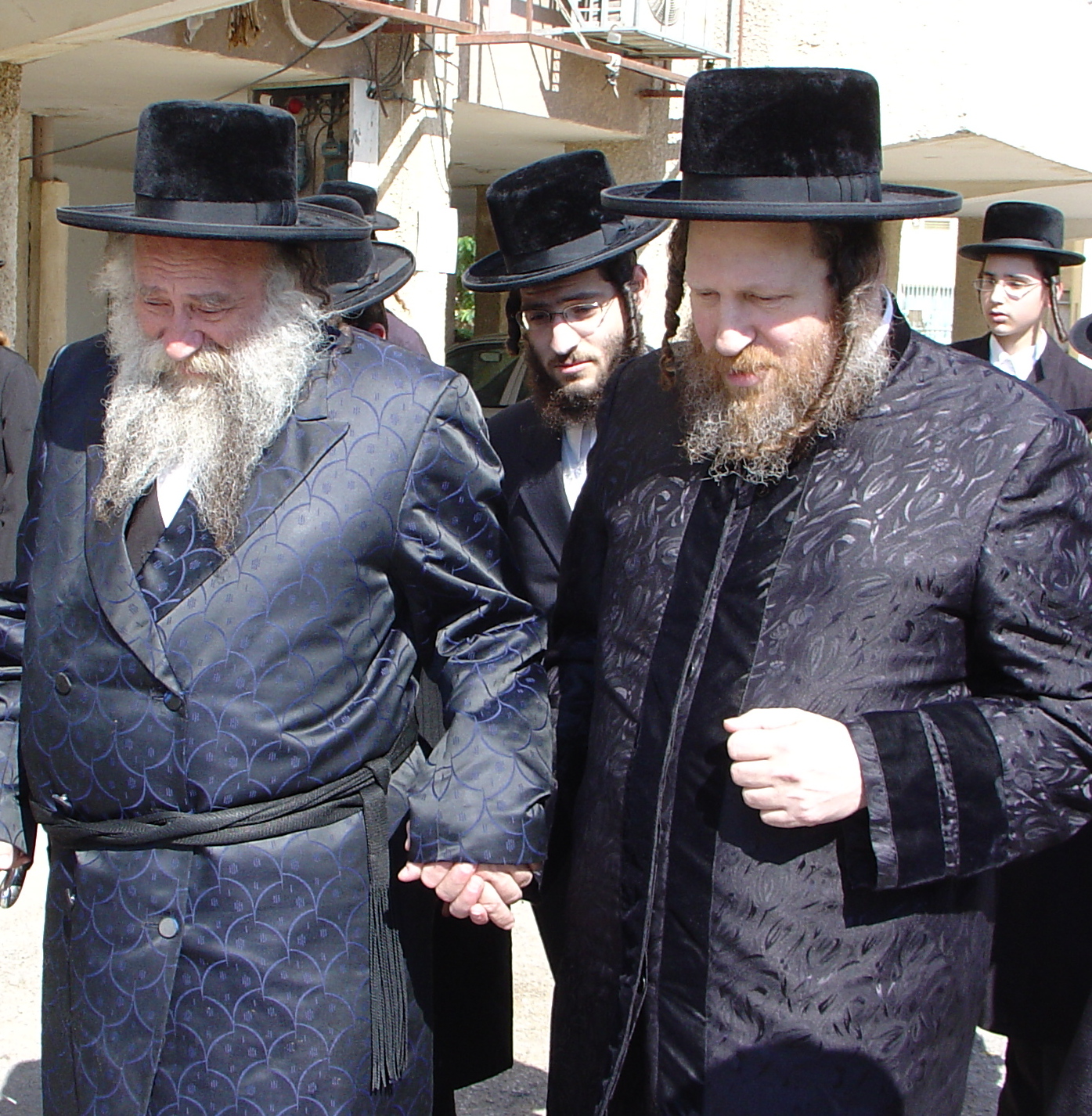
    Chassidic Rebbes illuminate Torah Judaism by shifting the focus from dry intellectualism to joyful inwardness, boundless love for every fellow Jew, and the mission to reveal the Divine spark hidden within the most mundane, material aspects of everyday life.

    Core Pillars of Chassidic Wisdom

    • Love of Fellow (Ahavat Yisrael): The Baal Shem Tov and subsequent masters taught that you cannot truly love God or the Torah without a profound, unconditional love for your fellow Jew. Every soul possesses an innate connection to the Divine.
    • The “Inner Game” (Penimius): Moving past mere external compliance, Chassidism emphasizes mastering your inner desires, transforming natural character traits (like anger or pride), and serving God with wholesome simplicity and joy.
    • Elevation of the Mundane: Rather than fleeing the physical world, the teachings explain that incremental, everyday actions—like eating or working—serve to free and elevate the sparks of holiness trapped within physical matter.
    • Faith in the Individual: As the Lubavitcher Rebbe frequently emphasized, every person has a specific, irreplaceable mission in this world. You don’t need to be a perfect scholar to influence others; “If you know Aleph, teach aleph.

    The holiness of a Chassidish Rebbe’s teachings lies in transforming the mundane into the Divine. Rather than viewing spirituality as an escape from the physical, Rebbes teach that every everyday action, challenge, and physical pleasure is an opportunity to reveal the inherent godliness hidden within the material world.

    Chassidic Rebbes illuminate Torah Judaism by shifting the focus from dry intellectualism to joyful inwardness, boundless love for every fellow Jew, and the mission to reveal the Divine spark hidden within the most mundane, material aspects of everyday life.

    Core Pillars of Chassidic Wisdom

    Love of Fellow (Ahavat Yisrael): The Baal Shem Tov and subsequent masters taught that you cannot truly love God or the Torah without a profound, unconditional love for your fellow Jew. Every soul possesses an innate connection to the Divine.

    The “Inner Game” (Penimius): Moving past mere external compliance, Chassidism emphasizes mastering your inner desires, transforming natural character traits (like anger or pride), and serving God with wholesome simplicity and joy.

    Elevation of the Mundane: Rather than fleeing the physical world, the teachings explain that incremental, everyday actions—like eating or working—serve to free and elevate the sparks of holiness trapped within physical matter.

    Faith in the Individual: As the Lubavitcher Rebbe frequently emphasized, every person has a specific, irreplaceable mission in this world. You don’t need to be a perfect scholar to influence others; “If you know Aleph, teach aleph.

  • TWO DISTINCT PATHS TO HOLINESS: Rochel and Leah Like You’ve Never Learned Before

    TWO DISTINCT PATHS TO HOLINESS: Rochel and Leah Like You’ve Never Learned Before

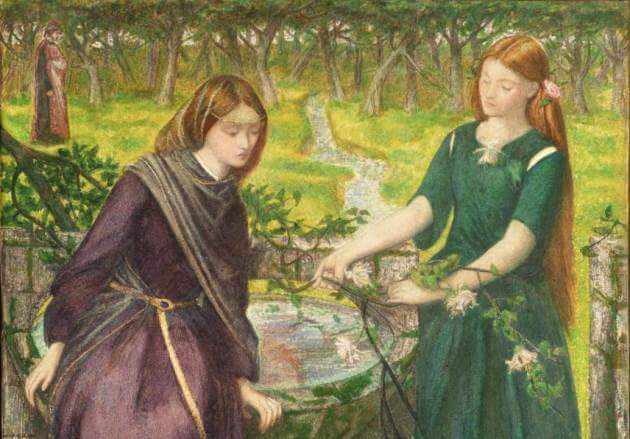
    In Jewish mystical thought (Kabbalah and Chassidus), the Matriarchs Rachel and Leah embody two fundamentally different, complementary paths to holiness. Leah represents the hidden, internal world of thought and introspection (alma de’itkasya), while Rachel represents the revealed, external world of speech, action, and physical engagement (alma de’itgalya).

    1. Leah: The Path of the Hidden Intellect and Submission

    Leah’s path to holiness is rooted in the internal, spiritual sanctuary of the mind and heart.

    The World of Thought: In Kabbalah, Leah corresponds to the divine attribute of Binah (understanding) and the “letters of thought”. Her connection to God is highly contemplative, introspective, and concealed.

    Growth through Acceptance: The names of Leah’s sons (such as Reuben, “God has seen my affliction,” and Judah, “This time I will thank God”) reflect a spiritual journey of recognizing, connecting, and submitting to the Divine will. She represents the capacity to remain holy and connected even in the darkest, most challenging environments by turning inward to an unshakable inner peace and profound gratitude.

    1. Rachel: The Path of Revealed Expression and Transformation

    Rachel’s path is the challenging, courageous work of bringing divine holiness down into the messy, physical realities of the material world.

    The World of Speech: Rachel corresponds to Malchut (kingship/manifestation) and the “letters of speech”. Her mission was to articulate and reveal hidden spiritual truths in language that the physical world could comprehend.

    Action and Rectification: Rachel represents the performance of mitzvot (commandments) within the physical realm. Because her task involved elevating the lowest, most external layers of existence, her path was met with greater external obstacles, including the prolonged test of barrenness before giving birth to Joseph—the archetype of maintaining spiritual loyalty while fully immersed in a materialistic society (Egypt).

    1. The Synthesis: Two Halves of a Whole

    Rather than being rivals, the two sisters represent the complete blueprint of a holy life. According to the teachings of the Zohar and Chassidic masters like the Alter Rebbe in ⁠Torah Ohr, Jacob had to marry both. Through them, he mastered both the transcendent, barrier-breaking power of thought (Leah) and the tangible, world-shaping power of speech and action (Rachel). Together, they built the house of Israel.

  • Have You Ever Contemplated What Your Purpose in Life is and How You Get There?

    Have You Ever Contemplated What Your Purpose in Life is and How You Get There?

    According to Judaism, the purpose of life is to know, love, and serve Hashem (God) by following the Torah’s instructions, bringing holiness into the physical world, and refining one’s character. Rather than an escape from reality, life is an active partnership with the Divine.

    The core tenets of this purpose are expressed across foundational Jewish teachings:

    1. Following the Torah as an Instruction Manual

    The word Torah translates to “instruction” or “guidance”. Hashem created the world out of ultimate kindness to bestow good upon humanity. Through observing the 613 commandments (mitzvot), a person aligns their daily actions, speech, and intellect with the Divine will.

    1. Making a “Dwelling Place” in the Physical World

    A central concept in Chassidic philosophy, particularly sourced in the Midrash Tanchuma and Tanya, is that Hashem desired a “dwelling place in the lower worlds” (dirah betonachtonim). The goal is not to abandon the physical world for pure spirituality, but to elevate everyday materialism—business, food, relationships, and nature—by using them for holy purposes.

    1. Tikkun Olam (Repairing the World)

    Tikkun Olam—acting with justice, compassion, and fixing the brokenness of society—is a fundamental purpose of life. Whenever we bring love, feed the hungry, or defend the oppressed, we create spaces for the Divine Presence to rest.

    1. This World as a Corridor (Olam HaZeh)

    In classic ethical texts like Rabbi Moshe Chaim Luzzatto’s Mesillat Yesharim (The Path of the Upright), it is taught that “human beings were not created for their situation in this world, but for the next”. The current world is a “corridor” or testing ground where we build spiritual merit, refine our character traits, and earn the reward of eternal closeness to Hashem in the World to Come (Olam HaBa).

  • The Poetically Haunting Words of the Prophet Yirmiyahu (Jeremiah) Still Echo to This Very Day

    The Poetically Haunting Words of the Prophet Yirmiyahu (Jeremiah) Still Echo to This Very Day

    The primary message of the prophet Yirmiyahu (Jeremiah) in Judaism is a dual call for repentance before disaster and an unyielding promise of future redemption and hope. Known as the “Weeping Prophet,” Yirmiyahu championed the idea that the eternal bond between God and Israel transcends any physical structure, including the Holy Temple.

    Core Messages of Yirmiyahu
    The Illusion of Sacrifices: Yirmiyahu warned that the Holy Temple would not protect the people if they continued to practice idolatry and social injustice. He emphasized that God desires ethical behavior and true adherence to the Torah over empty rituals.

    The Inevitability of Exile: He explicitly prophesied that Jerusalem would fall to the Babylonian Empire as a consequence of their spiritual rebellion. He even urged the leadership to surrender to Babylon to save lives, a message that made him highly unpopular and labeled him a traitor.

    The 70-Year Timeline: Unlike false prophets who promised an immediate rescue, Yirmiyahu gave a highly specific timeline, stating that the ⁠Babylonian exile would last 70 years before God would bring the Jewish people back to their land. [1, 2, 3]

    An Eternal Covenant: His most enduring message is found in his “Book of Consolation” (⁠Jeremiah chapters 30–33). He introduced the concept of a “New Covenant” written directly on the hearts of the Jewish people, ensuring that their relationship with God would never be completely severed.

    Connection to Torah and Jewish Practice
    Torah Relevance: Yirmiyahu frequently quotes or mirrors themes from the Book of Devarim (Deuteronomy), specifically focusing on the conditional nature of holding the Land of Israel based on following God’s commandments.

    Liturgy: Yirmiyahu is traditionally credited with writing the ⁠Book of Eicha (Lamentations), which the Jewish community reads aloud every year on the fast of Tisha B’Av to mourn the destruction of the Temples.

    Rosh Hashanah: His prophecies regarding Rachel weeping for her exiled children and God’s eventual mercy (⁠Jeremiah 31) are read as the Haftarah portion on the second day of Rosh Hashanah to evoke themes of remembrance and hope.

  • Not Only is Tzedakah an Obligation in the Torah, It Can Also Save You From Death

    Not Only is Tzedakah an Obligation in the Torah, It Can Also Save You From Death

    The phrase “tzedakah saves from death” comes directly from the Book of Proverbs (Proverbs 10:2 and 11:4), where it states that “charity [tzedakah] delivers from death”. In Jewish tradition, this concept—often recited during the High Holidays in the Unetanneh Tokef prayer—teaches that acts of righteousness, justice, and giving can alter heavenly decrees, protect against misfortune, and elevate the giver.

    Biblical and Talmudic Sources

    • Proverbs (10:2 and 11:4): The foundational verses declare that wealth gained improperly holds no value, but righteousness and charity physically and spiritually save a person from death.
    • Babylonian Talmud (Bava Batra 10a): The Talmud lists tzedakah as the ultimate defender against the “tenth hard thing,” explicitly stating it rescues one from the grip of mortality.
    • Babylonian Talmud (Shabbat 156b): Contains the famous story of Rabbi Akiva’s daughter, whose life was saved from a venomous snake on her wedding day because she shared her celebratory meal with a hungry beggar at the door.

    How It Works in Practice

    • Averting the Decree: During times of communal or personal distress (such as illness or the High Holidays), tzedakah is coupled with teshuvah (repentance) and tefillah (prayer) to alter a negative spiritual judgment.
    • Practical & Spiritual Protection: The tradition views this protection in multiple ways: it preserves the life of the recipient by providing essential needs, ensures the giver’s spiritual eternity, and aligns the giver with Divine justice.
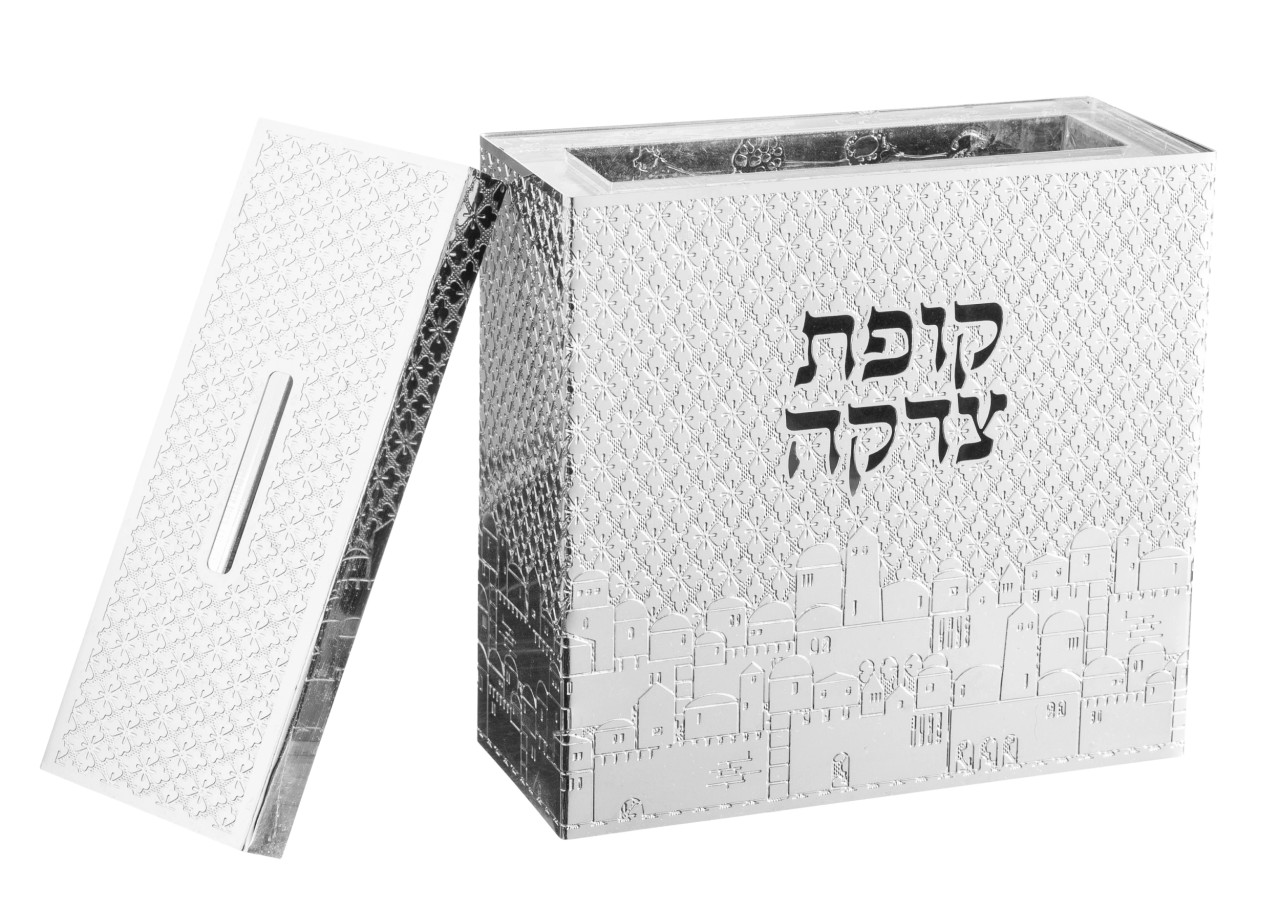
    • Daily Integration: It is customary to place coins in a pushke (charity box) before daily morning prayers or before lighting Shabbat candles to invoke this merit.