
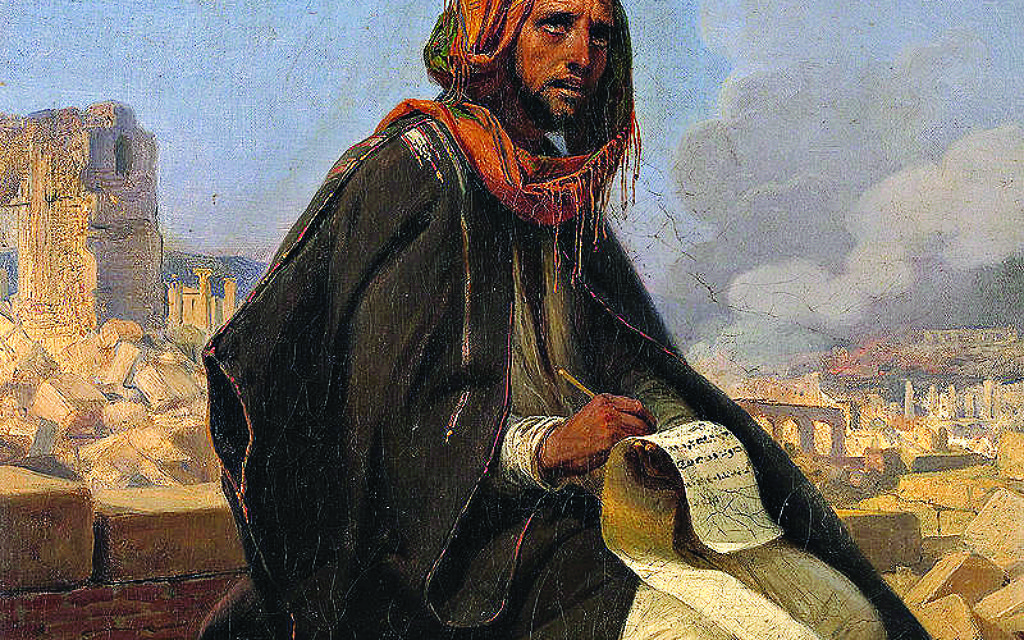
The primary message of the prophet Yirmiyahu (Jeremiah) in Judaism is a dual call for repentance before disaster and an unyielding promise of future redemption and hope. Known as the “Weeping Prophet,” Yirmiyahu championed the idea that the eternal bond between God and Israel transcends any physical structure, including the Holy Temple.
Core Messages of Yirmiyahu
The Illusion of Sacrifices: Yirmiyahu warned that the Holy Temple would not protect the people if they continued to practice idolatry and social injustice. He emphasized that God desires ethical behavior and true adherence to the Torah over empty rituals.
The Inevitability of Exile: He explicitly prophesied that Jerusalem would fall to the Babylonian Empire as a consequence of their spiritual rebellion. He even urged the leadership to surrender to Babylon to save lives, a message that made him highly unpopular and labeled him a traitor.
The 70-Year Timeline: Unlike false prophets who promised an immediate rescue, Yirmiyahu gave a highly specific timeline, stating that the Babylonian exile would last 70 years before God would bring the Jewish people back to their land. [1, 2, 3]
An Eternal Covenant: His most enduring message is found in his “Book of Consolation” (Jeremiah chapters 30–33). He introduced the concept of a “New Covenant” written directly on the hearts of the Jewish people, ensuring that their relationship with God would never be completely severed.
Connection to Torah and Jewish Practice
Torah Relevance: Yirmiyahu frequently quotes or mirrors themes from the Book of Devarim (Deuteronomy), specifically focusing on the conditional nature of holding the Land of Israel based on following God’s commandments.
Liturgy: Yirmiyahu is traditionally credited with writing the Book of Eicha (Lamentations), which the Jewish community reads aloud every year on the fast of Tisha B’Av to mourn the destruction of the Temples.
Rosh Hashanah: His prophecies regarding Rachel weeping for her exiled children and God’s eventual mercy (Jeremiah 31) are read as the Haftarah portion on the second day of Rosh Hashanah to evoke themes of remembrance and hope.