
End of Times
-
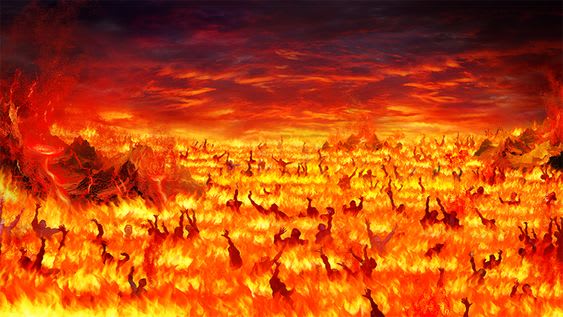
GEHENNIM: Judaism Has HELL; It’s Far Worse Than You Thought…It’s Also a Merciful Gift From Hashem
Gehinnom is a real and concrete metaphysical realm. It is not a mere metaphor or symbol, but an actual state of existence for the soul…
-
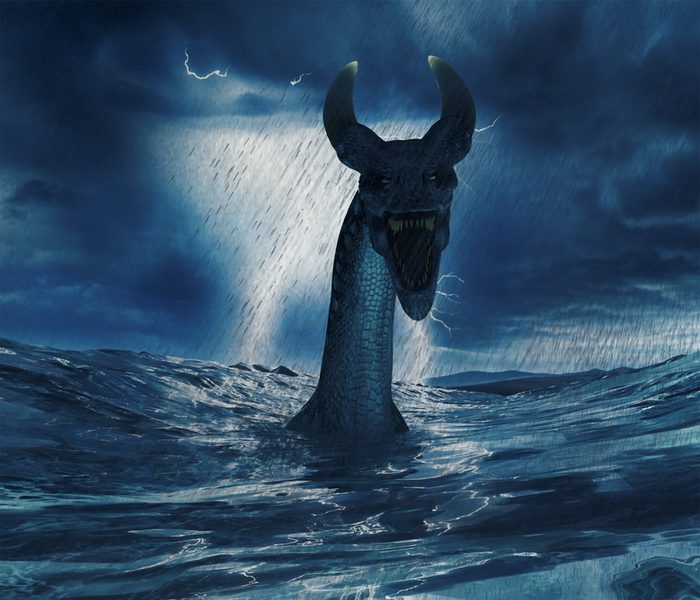
The Leviathan and its Deep Mystical Connection to the Messiah, End of Times and the Yontif of Sukkos
The Concept of the Leviathan in Torah Judaism The Leviathan stands as one of the most mysterious and deeply layered creatures discussed in the classical…
-

MILK & HONEY: The Land of Israel’s Flowing Abundance and It’s Connection to Messianic Era for Jews
The phrase “a land flowing with milk and honey” appears multiple times in the Torah. The very first time it is mentioned is in the…
-

2 MESSIAHS: Moshiach Ben Yosef is Tasked with the Destruction of the Western Xtian World of Eisav
THE HISTORICAL SCHISM BETWEEN YEHUDA AND YOSEF The tribes of Yehuda and Yosef represent two distinct paths in Jewish history. Yehuda symbolizes kingship, leadership, and…
-

Zionism & The Israeli State is the Most Powerful, Dangerous and Treacherous Idolatry Ever for Jews
The perspective shared in this prompt represents a specific, deeply theological critique of Zionism and the modern State of Israel that exists within certain streams…
-

The Moshiach (Jewish Messiah) is Coming, the Question is Who is He and What is His Ultimate Purpose
The Jewish concept of Moshiach, translated as the Messiah, is a fundamental pillar of traditional Jewish belief that is often misunderstood due to centuries of…
-

WARNING: The Erev Rav, Amalek, Xtianity and Islam are ALL Uniting Simultaneously Against the Jews
Understanding the Union of Spiritual Enemies in Jewish Tradition In Jewish eschatology, the final era before the redemption is described as a time of intense…
-

Gilgulim (Reincarnation) is a Foundational Principle in Judaism – These Examples Will Blow Your Mind
In Jewish thought, particularly in Kabbalah (Jewish mysticism), the concept of reincarnation is known as Gilgul Neshamot, which translates to the rolling or cycling of…
-

The World’s Shouting for NO KINGS, but Jews Have Prayed for 2,000 for Just That – The Jewish Messiah
In Torah Judaism, the concept of a king is completely different from a modern despot or a dictator who rules with huge arrogance and absolute…
-

How Jews Honor the Deceased is the Truest Hallmark in Judaism of Understanding Our Soul is Eternal
Judaism treats the human body as a sacred vessel that once held a holy soul, meaning that even after death, the body must be handled…