
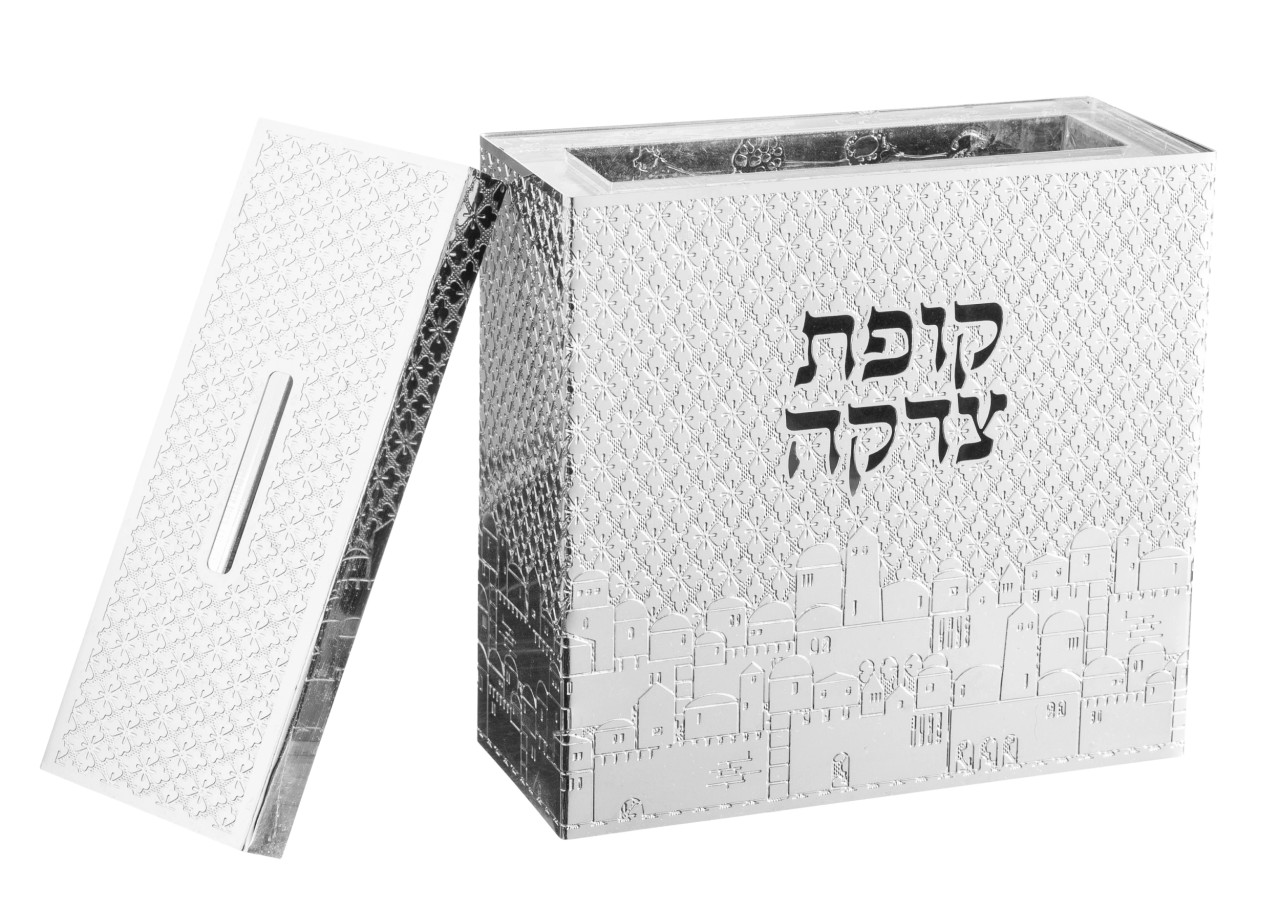
The phrase “tzedakah saves from death” comes directly from the Book of Proverbs (Proverbs 10:2 and 11:4), where it states that “charity [tzedakah] delivers from death”. In Jewish tradition, this concept—often recited during the High Holidays in the Unetanneh Tokef prayer—teaches that acts of righteousness, justice, and giving can alter heavenly decrees, protect against misfortune, and elevate the giver.
Biblical and Talmudic Sources
- Proverbs (10:2 and 11:4): The foundational verses declare that wealth gained improperly holds no value, but righteousness and charity physically and spiritually save a person from death.
- Babylonian Talmud (Bava Batra 10a): The Talmud lists tzedakah as the ultimate defender against the “tenth hard thing,” explicitly stating it rescues one from the grip of mortality.
- Babylonian Talmud (Shabbat 156b): Contains the famous story of Rabbi Akiva’s daughter, whose life was saved from a venomous snake on her wedding day because she shared her celebratory meal with a hungry beggar at the door.
How It Works in Practice
- Averting the Decree: During times of communal or personal distress (such as illness or the High Holidays), tzedakah is coupled with teshuvah (repentance) and tefillah (prayer) to alter a negative spiritual judgment.
- Practical & Spiritual Protection: The tradition views this protection in multiple ways: it preserves the life of the recipient by providing essential needs, ensures the giver’s spiritual eternity, and aligns the giver with Divine justice.
- Daily Integration: It is customary to place coins in a pushke (charity box) before daily morning prayers or before lighting Shabbat candles to invoke this merit.