
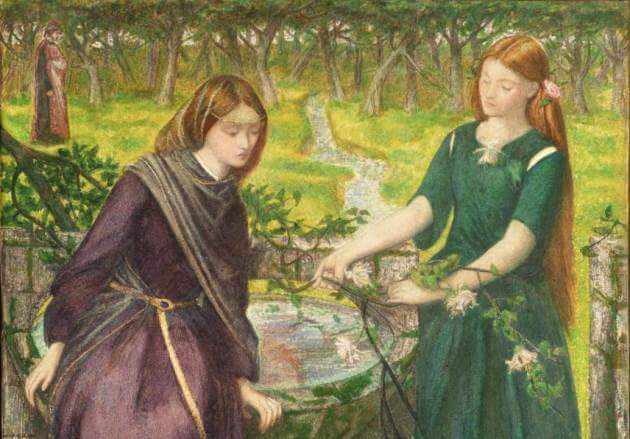
In Jewish mystical thought (Kabbalah and Chassidus), the Matriarchs Rachel and Leah embody two fundamentally different, complementary paths to holiness. Leah represents the hidden, internal world of thought and introspection (alma de’itkasya), while Rachel represents the revealed, external world of speech, action, and physical engagement (alma de’itgalya).
- Leah: The Path of the Hidden Intellect and Submission
Leah’s path to holiness is rooted in the internal, spiritual sanctuary of the mind and heart.
The World of Thought: In Kabbalah, Leah corresponds to the divine attribute of Binah (understanding) and the “letters of thought”. Her connection to God is highly contemplative, introspective, and concealed.
Growth through Acceptance: The names of Leah’s sons (such as Reuben, “God has seen my affliction,” and Judah, “This time I will thank God”) reflect a spiritual journey of recognizing, connecting, and submitting to the Divine will. She represents the capacity to remain holy and connected even in the darkest, most challenging environments by turning inward to an unshakable inner peace and profound gratitude.
- Rachel: The Path of Revealed Expression and Transformation
Rachel’s path is the challenging, courageous work of bringing divine holiness down into the messy, physical realities of the material world.
The World of Speech: Rachel corresponds to Malchut (kingship/manifestation) and the “letters of speech”. Her mission was to articulate and reveal hidden spiritual truths in language that the physical world could comprehend.
Action and Rectification: Rachel represents the performance of mitzvot (commandments) within the physical realm. Because her task involved elevating the lowest, most external layers of existence, her path was met with greater external obstacles, including the prolonged test of barrenness before giving birth to Joseph—the archetype of maintaining spiritual loyalty while fully immersed in a materialistic society (Egypt).
- The Synthesis: Two Halves of a Whole
Rather than being rivals, the two sisters represent the complete blueprint of a holy life. According to the teachings of the Zohar and Chassidic masters like the Alter Rebbe in Torah Ohr, Jacob had to marry both. Through them, he mastered both the transcendent, barrier-breaking power of thought (Leah) and the tangible, world-shaping power of speech and action (Rachel). Together, they built the house of Israel.