Author: eliyokimcohen

  • HACHNASAS ORCHIM: The Power, Importance and Reward of Being Hospitable

    HACHNASAS ORCHIM: The Power, Importance and Reward of Being Hospitable

    Hachnasas Orchim (welcoming guests) is a foundational Jewish value. Rooted in the example of Abraham, it is considered a Mitzvah so powerful that the Talmud states hosting wayfarers is greater than receiving the Divine Presence. The reward spans both this world and the world to come.

    The Biblical Root & Power

    • The Abrahamic Standard: In Genesis 18, Abraham interrupts a direct prophecy from God to welcome three dusty, unrecognized desert travelers. He runs to provide them with water, lavish food, and personal service, setting the ultimate standard for proactive hospitality.
    • Elevated Above Prophecy: According to the Talmud (Shabbat 127a), this teaches that Hachnasas Orchim takes precedence over experiencing a revelation of the Shechinah (Divine Presence).

    The Importance: Why It Matters

    • Emulating the Divine: By opening your home, you emulate God’s kindness. Just as God provides sustenance to the entire world, humans express their creation in the “image of God” by becoming givers.
    • Sanctifying the Home: The home is transformed into a sanctuary. Ethics of the Fathers (Pirkei Avot 1:5) records the sage Yose ben Yochanan teaching: “Let your home be open wide, and let the poor be members of your household”. This implies running a home with the same excitement and energy as a purposeful enterprise.

    The Reward

    • Spiritual Dividends: The Talmud explicitly lists Hachnasas Orchim as a deed whose principal remains intact in this world, while the spiritual dividend is paid out in the World to Come.
    • Protecting and Honoring: The tradition details specific rewards for accompanying guests (levaya) when they leave—a practice the sages take so seriously that neglecting it is equated to endangering a life.
    • The Ripple Effect: Teaching your children and household to serve others actively instills the deepest lessons of loving-kindness (chesed).

  • The Dividing Line in Jewish Observance is Whether One is Shabbos Observant

    The Dividing Line in Jewish Observance is Whether One is Shabbos Observant

    In Jewish tradition, keeping Shabbat (Shomer Shabbos) is considered equal to observing the entire Torah. Because Shabbat is the ultimate expression of faith in Creation and the covenant between God and the Jewish people, violating it is treated as breaking the whole Torah, while guarding it carries equivalent weight to all other mitzvot combined.

    The concept of one mitzvah balancing the entire Torah comes from a few distinct places in classical rabbinic literature:

    1. The Classical Sources

    • Jerusalem Talmud (Yerushalmi): In Yerushalmi Nedarim (3:9) and Yerushalmi Peah (1:1), the text connects the dots between faith and action, pointing out that rejecting Shabbat is akin to rejecting all commandments.
    • The Rambam (Maimonides): In his Mishneh Torah, Maimonides notes that the mitzvah of Shabbat is equivalent to all the other mitzvot in the Torah combined, as it serves as an eternal sign of the bond between God and the Jewish people.
    • Midrashic Teachings: As outlined in Shemot Rabbah (25:12) and Yalkut Shimoni, the rabbis teach that if the Jewish people were to perfectly keep even a single Shabbat, it would carry the spiritual weight to bring about the ultimate redemption, because full observance demonstrates complete alignment with God’s design.

    2. The Weight of Talmud Torah

    It is worth noting that alongside Shabbat, the study of Torah (Talmud Torah) is famously cited in the Mishnah (Peah 1:1) as being c’neged kulam—equal to all the other mitzvot combined.

    Why is Shabbat the Litmus Test?

    Scholars and commentators, such as the Or HaChaim, explain that being Shomer Shabbos means actively guarding, anticipating, and delighting in the day as a “taste of the world to come” (me’eyn olam ha’ba). It is an all-encompassing state of awareness rather than just a momentary action, which is why it holds such a supreme place in Jewish law and identity

  • There is Nothing in Judaism More Important than the Mitzvah of Shabbos

    There is Nothing in Judaism More Important than the Mitzvah of Shabbos

    Shabbat is the foundational pillar of Jewish life and the only ritual embedded directly in the Ten Commandments. In the Torah, it signifies a sacred covenant of rest, memorializing the creation of the universe and liberation from slavery. It sanctifies time, placing spiritual connection above material labor.

    Core Theological Foundations

    • Commemorating Creation: Shabbat mirrors God resting on the seventh day after six days of creation (Genesis 2:2-3). By resting, humans acknowledge God as the Creator and Sovereign of the universe.
    • Commemorating the Exodus: In Deuteronomy’s version of the Ten Commandments, Shabbat is tied to the liberation of the Israelites from slavery in Egypt (Deuteronomy 5:14-15). It ensures freedom and dignity, granting a mandatory day off to all workers, servants, and even animals.

    A Sign of the Covenant

    • The Ultimate Testimony: Observance serves as an explicit, weekly testimony (Edut) of faith in God.
    • “A Cathedral in Time”: As famously articulated by theologian Rabbi Abraham Joshua Heschel, Shabbat builds a sanctuary in time rather than space, allowing believers to focus on being rather than doing.

    Observance and Practice

    • Refraining from Creative Work (Melachah): Abstaining from 39 categories of prohibited labor—such as cooking, traveling, and commerce—creates a complete break from weekday productivity.
    • Sanctification and Joy (Oneg Shabbat): The day is celebrated with festive meals, Torah study, family time, and synagogue prayers, transforming it into a spiritual delight rather than a burdensome restriction
  • Yaakov Finally Meets Eisav – The Biggest Nothing Burger in Jewish History Surprisingly

    Yaakov Finally Meets Eisav – The Biggest Nothing Burger in Jewish History Surprisingly

    In Parshat Vayishlach (Genesis 32:4–36:43), Yaakov finally confronts Eisav after 22 years of separation. Yaakov implements a brilliant threefold strategy to handle the impending danger: diplomacy (sending lavish gifts), prayer (crying out to God for salvation), and preparation (readying for war).

    The night before the reunion, Yaakov is left alone and wrestles with a mysterious angel until dawn, emerging with a limp but earning the name Yisrael (“one who has wrestled with divine and human beings and has prevailed”)

    The Strategy: Diplomacy, Gifts, and Prayer

    Dividing the Camp: Knowing Eisav approaches with 400 armed men, Yaakov splits his family into two camps so that at least one might survive an attack.

    Gifting Eased Tension: Yaakov sends massive droves of livestock (hundreds of goats, sheep, camels, and cattle) as a massive tribute to appease his brother.

    The Power of Prayer: Foundational to Jewish thought, Yaakov models complete reliance on God alongside practical earthly precautions

    The Ultimate Face-to-Face Meeting

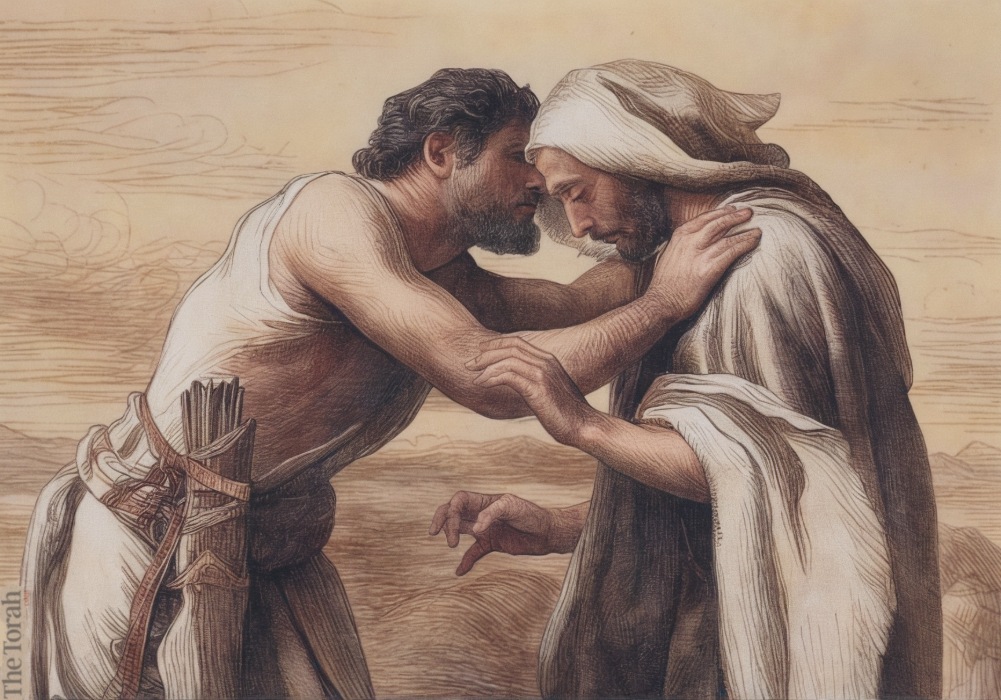
    The Embrace: When the brothers finally meet, Eisav runs to Yaakov, embraces him, falls on his neck, and weeps.

    Sages’ Perspectives: Traditional commentaries on the Torah text point out dots above the Hebrew word for “kissed” (וישקהו). Some suggest Eisav’s kiss was insincere or that he tried to bite Yaakov, whose neck miraculously turned to marble. Others, like Rabbi Shimon bar Yochai, see it as a moment of genuine, albeit temporary, brotherly compassion.

    The Split Path: When Eisav offers to travel together, Yaakov politely declines, knowing their destinies, spiritual speeds, and values remain entirely separate

  • LIFE CHANGING: 10 of the Most Special Quotes in Judaism That Will Elevate Your Soul

    LIFE CHANGING: 10 of the Most Special Quotes in Judaism That Will Elevate Your Soul

    “Hear, O Israel: The LORD our God, the LORD is one.” (Deuteronomy 6:4): This is the central declaration of Jewish faith, known as the Shema.

    This is the most famous and meaningful of all Jewish quotes, but here are 9 other gems from Judaism that will uplift your soul and add purpose to your life. Elevating the soul through Torah involves aligning your daily life with absolute spiritual truth.

    In Judaism, the neshamah (divine soul) originates from a supernal realm and yearns to return to its source. Immersing in the wisdom of Torah and performing mitzvot (commandments) unlocks this inner light, transforming physical existence into a holy, elevated experience.

    In Judaism, the Torah is not just an instructional text; it is the spiritual conduit that unites the human soul (neshama) with the Divine (Hashem). Because the Torah represents God’s infinite wisdom and will, studying it allows a person to internalize the Divine essence and cleave to Him (deveikus).

  • Isaiah, Jeremiah and Ezekiel: The Enduring Legacy of the Most Famous Jewish Prophets

    Isaiah, Jeremiah and Ezekiel: The Enduring Legacy of the Most Famous Jewish Prophets

    Isaiah, Jeremiah, and Ezekiel are the primary literary prophets of the Hebrew Bible (Tanakh). Their extensive texts define the Nevi’im (Prophets) section. They warned ancient Israel and Judah of impending judgment for social injustice and idolatry, while offering profound visions of future restoration, covenant renewal, and the ultimate holiness of God.

    1. Isaiah (Yeshayahu)

    • Scope & Context: Comprising 66 chapters, the Book of Isaiah is the largest prophetic work. He prophesied in Jerusalem during the 8th century BCE amid the rise of the Assyrian Empire.
    • Core Message: Focuses heavily on the absolute sovereignty and holiness of God, severe rebukes against corruption, and sweeping visions of universal peace (e.g., swords beaten into plowshares) and ultimate comfort for Jerusalem.

    2. Jeremiah (Yirmiyahu)

    • Scope & Context: Spanning 52 chapters, Jeremiah lived through the turbulent collapse of the Kingdom of Judah and the destruction of the First Temple by the Babylonians in 586 BCE.
    • Core Message: Known as the “weeping prophet” due to the intense emotional anguish in his writings, Jeremiah championed personal responsibility, predicted the 70-year Babylonian exile, and introduced the revolutionary concept of an internalized “New Covenant” written on the heart.

    3. Ezekiel (Yechezkel)

    • Scope & Context: A priest who was exiled to Babylonia before the fall of Jerusalem, Ezekiel’s book contains 48 chapters rich with mystical, visionary imagery (like the Valley of Dry Bones and the Divine Chariot).
    • Core Message: Emphasizes individual accountability before God, the role of the prophet as a “watchman,” and the eventual return of God’s glory to a restored Temple and land.
  • The Eternal Power of Teshuva (Repentance) in Judaism…It’s the Key to our Existence

    The Eternal Power of Teshuva (Repentance) in Judaism…It’s the Key to our Existence

    Teshuvah (literally “return”) is the foundational mechanism of spiritual repair and free will in Judaism. Woven into the Torah, it allows an individual to erase the distance created by mistakes, overcome a negative past, and restore their inherent purity and connection to the Divine.

    The Core Meaning

    • Literal Translation:Teshuvah means “return,” not merely repentance. It implies that human beings are fundamentally good and holy. When a person sins, they are simply “going astray” or becoming lost from their true essence. Doing teshuvah means finding your way back to your purest self.
    • Universal Prerequisite: According to the Talmud and Midrash, teshuvah was created before the physical universe itself, demonstrating that human error and the ability to correct it were built into the fabric of creation.

    The Role of Teshuvah in the Torah

    The concept of teshuvah is woven throughout the Five Books of Moses (the Torah) and the Prophets.

    • Deuteronomy 30:11-14: Moses explicitly states that the path to return to God “is not beyond reach, nor is it far off… it is exceedingly near to you, in your mouth and in your heart.”
    • Hosea 14:2: The Prophets continuously call out, “Return, O Israel, unto the Lord your God, for you have stumbled in your iniquity.”

    The Four Steps of the Process

    Classical Jewish codifiers, such as Maimonides (the Rambam) in his Mishneh Torah (Hilchot Teshuvah), outline a precise, actionable framework to achieve atonement.

    1. Abandonment of the Sin: Immediately cease the improper action.
    2. Sincere Regret: Feel genuine remorse and shame over the misdeed.
    3. Verbal Confession (Vidui): Formulate the regret and commitment into spoken words before God.
    4. Resolution for the Future: Make a firm commitment in your heart never to repeat the action again.

    Transformative Power

    Our Sages teach that the power of teshuvah is absolute. It does not just wipe the slate clean; it is taught that a ba’al teshuvah (one who returns) can reach spiritual heights surpassing even those who have been perfectly righteous their entire lives, because of the immense passion and effort required to redirect one’s life.

  • Talking Life – Why are so Many Jews Failing Miserably Spiritually

    Talking Life – Why are so Many Jews Failing Miserably Spiritually

    Jewish spirituality centers on action, connection, and study. Rather than detaching from the physical world, it seeks to elevate everyday life by connecting to the Divine through the covenant, ethical living, and the transformation of the self from the inside out.

    1. Torah as the Blueprint of Connection

    • Study as Worship: In Judaism, learning Torah is not merely an intellectual pursuit but a mystical connection to the mind of God.
    • Actionable Divine Wisdom: The core spiritual text, the Torah (the Five Books of Moses), provides the blueprint for how to live. Exploring the weekly Torah portion is available via the Jewish Theological Seminary Torah Commentaries.

    2. Mitzvot (Commandments) as Elevating Rituals

    • Sanctifying the Mundane: Spirituality is found in the physical performance of mitzvot (commandments), which transform ordinary physical actions into holy acts.
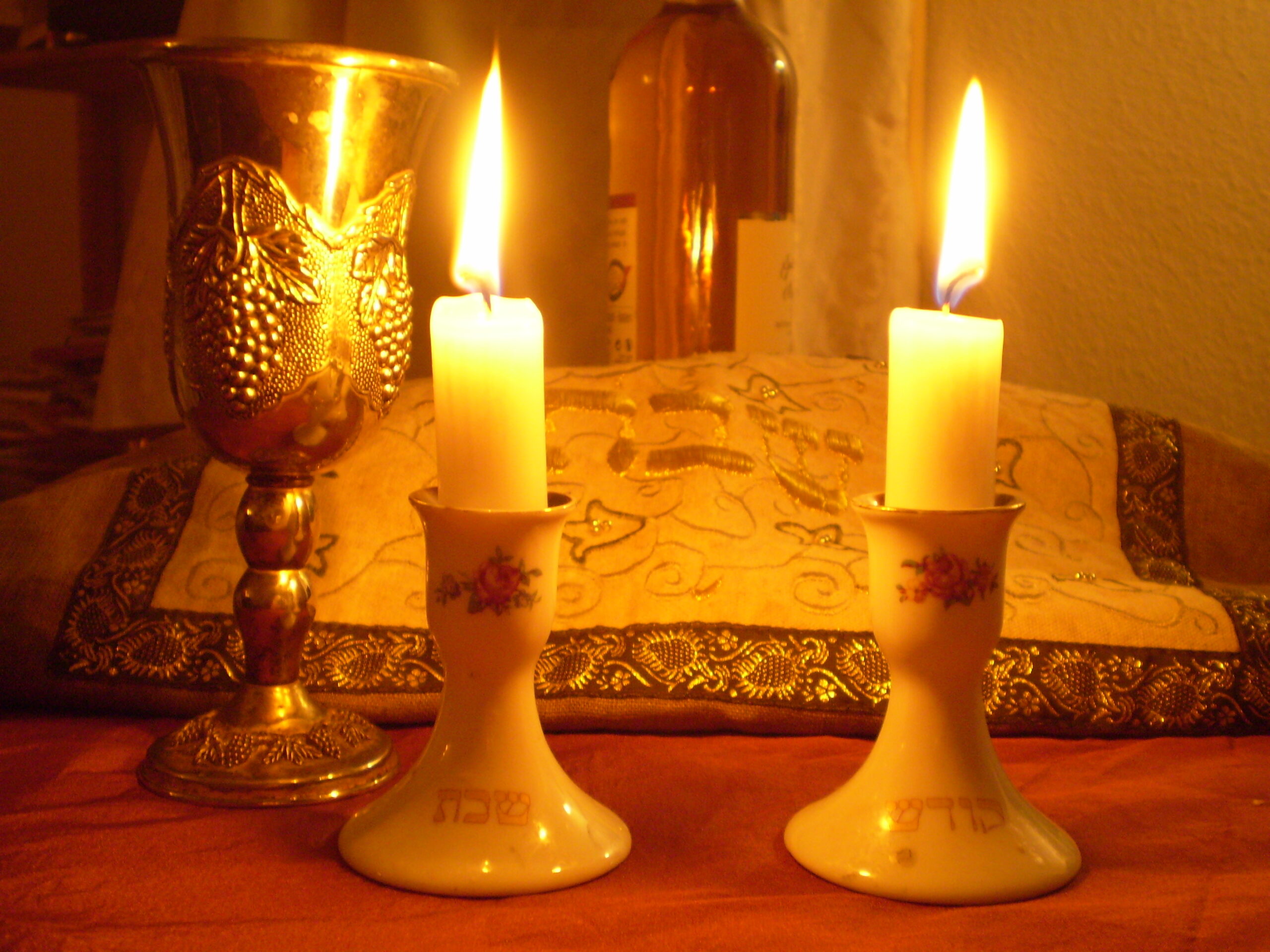
    • Intention and Heart: Mystical and Chassidic traditions emphasize that physical rituals like prayer, lighting Shabbat candles, or acts of kindness must be infused with kavanah (intention) and genuine feeling.

    3. Tikkun Olam (Repairing the World) & Interpersonal Ethics

    • Holiness in Human Relationships: The focal point of Jewish spirituality is not just an individual’s vertical relationship with God, but the horizontal relationship between people.

    4. Communal Liturgy and Hitbodedus (Personal Prayer)

    • The Power of the Collective: Communal worship and liturgical experiences—such as the shared melodies, singing, and unity of the High Holidays (Yom Kippur)—play a massive role in creating powerful, shared spiritual experiences.
    • Personal Devotions: Chassidish streams, particularly Breslov Chassidism, emphasize hitbodedus—spontaneous, personal, conversational prayer directly to God, often practiced in solitude in nature.
  • The Fascinatingly Bizarre and Scandalous Ancestry of Our Holy Jewish Moshiach (Messiah)

    The Fascinatingly Bizarre and Scandalous Ancestry of Our Holy Jewish Moshiach (Messiah)

    The genealogy of the Jewish Messiah features a deeply unconventional, seemingly scandalous ancestral line. Rather than a picture-perfect pedigree, the Torah and writings trace the royal line of King David and the Messiah through acts of incest, deceit, non-Jewish heritage, and radical outsider redemption.

    The origins of the Messianic lineage involve profound twists:

    • Lot: According to the Book of Genesis, Lot (Abraham’s nephew) was the father of the Moabite and Ammonite nations through an incestuous relationship with his daughters after the destruction of Sodom.
    • Judah and Tamar: When Tamar’s husband died, she was denied her legal right to marry Judah’s younger son. In response, she disguised herself as a prostitute. Her father-in-law, Judah, unwittingly propositioned her. The resulting twins, Perez and Zerah, continued the Messianic line directly.
    • Ruth and Boaz: Ruth was a Moabitess—a descendant of Lot’s incestuous lineage. After her husband died, she courageously left her homeland to follow her mother-in-law, Naomi, into Judaism. She then married Boaz, making this Moabite outsider the great-grandmother of King David.

    Why is this bizarre ancestry in the Torah?
    In Jewish and Messianic tradition, this unconventional family tree highlights the overarching theme of Divine redemption. It underscores that God’s plan frequently operates through human imperfection, reversals of expectation

  • Everyone Wants to Know the End of Times…What Does Our Holy Torah Say

    Everyone Wants to Know the End of Times…What Does Our Holy Torah Say

    In Judaism, the “end of times” does not mean the destruction of the world, but rather the transition from Olam HaZeh (this current, imperfect world) to the Messianic Age and Olam HaBa (the World to Come). This ultimate redemption will be ushered in by Moshiach ben David (the Messiah, a descendant of King David).

    The Role of Moshiach Ben David

    In traditional Jewish eschatology (as detailed in the Torah and rabbinic literature), the Moshiach is not a divine figure, but a mortal, highly righteous Jewish leader and Torah scholar. He is a direct descendant of King David who will:

    • Gather the Exiles: Unite the Jewish people from the four corners of the earth and return them to the Land of Israel.
    • Rebuild the Temple: Reconstruct the Third Holy Temple in Jerusalem.
    • Restore Torah Law: Establish a Torah-based kingdom in Israel and bring universal peace and justice to the world.

    The Two Messiahs

    According to some ancient traditions in the Talmud, there are two distinct messianic figures who prepare the way for the ultimate redemption:

    1. Moshiach ben Yosef (the Messiah, son of Joseph): A figure who will come first to wage war against the forces of evil (often referred to as Gog and Magog). Tradition holds that he may fall in battle, preparing the spiritual and physical ground for the ultimate king.
    2. Moshiach ben David (the Messiah, son of David): He will follow, successfully establishing the era of eternal peace and the Messianic kingdom.

    Precursors and the Messianic Age

    Before the arrival of Moshiach ben David, two major events are traditionally expected:

    • The Return of Elijah: The prophet Elijah will return to the world to herald the arrival of the Messiah, heal familial relationships, and encourage deep repentance among the Jewish people.
    • The Messianic Era: Once the Messiah establishes his reign, the world will undergo a radical shift. Wars and hatred will cease, and the knowledge of God will cover the earth.

    The World to Come (Olam HaBa)

    Following the Messianic Age, Judaism teaches that the ultimate culmination of history will take place:

    • Resurrection of the Dead: The miraculous revival of the deceased back into the physical world, where the righteous will be rewarded.
    • Olam HaBa: A purely spiritual existence in the presence of the Divine, where the souls of the righteous will bask in the ultimate truth and closeness to God.