
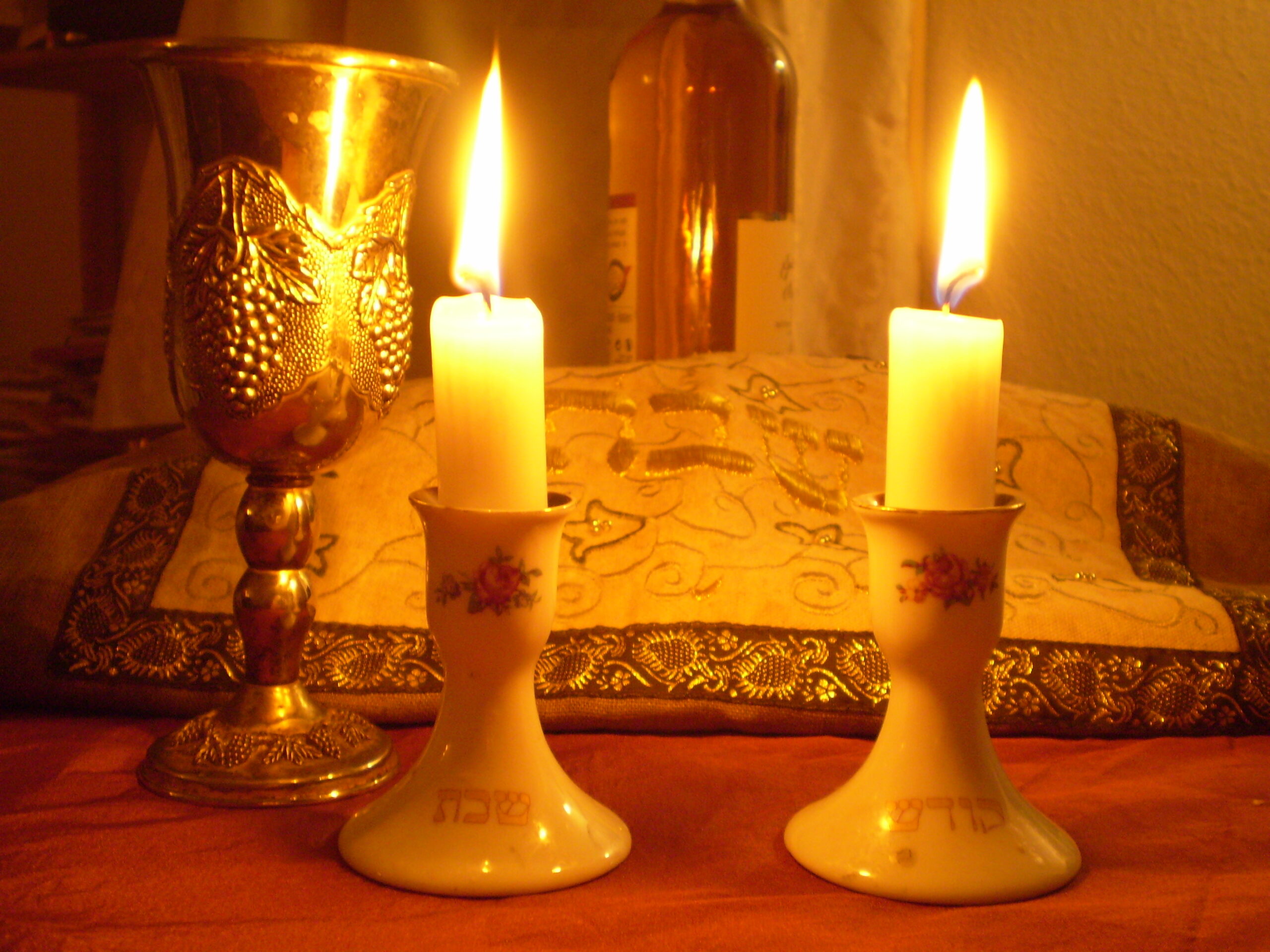
Shabbat is the foundational pillar of Jewish life and the only ritual embedded directly in the Ten Commandments. In the Torah, it signifies a sacred covenant of rest, memorializing the creation of the universe and liberation from slavery. It sanctifies time, placing spiritual connection above material labor.
Core Theological Foundations
- Commemorating Creation: Shabbat mirrors God resting on the seventh day after six days of creation (Genesis 2:2-3). By resting, humans acknowledge God as the Creator and Sovereign of the universe.
- Commemorating the Exodus: In Deuteronomy’s version of the Ten Commandments, Shabbat is tied to the liberation of the Israelites from slavery in Egypt (Deuteronomy 5:14-15). It ensures freedom and dignity, granting a mandatory day off to all workers, servants, and even animals.
A Sign of the Covenant
- The Ultimate Testimony: Observance serves as an explicit, weekly testimony (Edut) of faith in God.
- “A Cathedral in Time”: As famously articulated by theologian Rabbi Abraham Joshua Heschel, Shabbat builds a sanctuary in time rather than space, allowing believers to focus on being rather than doing.
Observance and Practice
- Refraining from Creative Work (Melachah): Abstaining from 39 categories of prohibited labor—such as cooking, traveling, and commerce—creates a complete break from weekday productivity.
- Sanctification and Joy (Oneg Shabbat): The day is celebrated with festive meals, Torah study, family time, and synagogue prayers, transforming it into a spiritual delight rather than a burdensome restriction