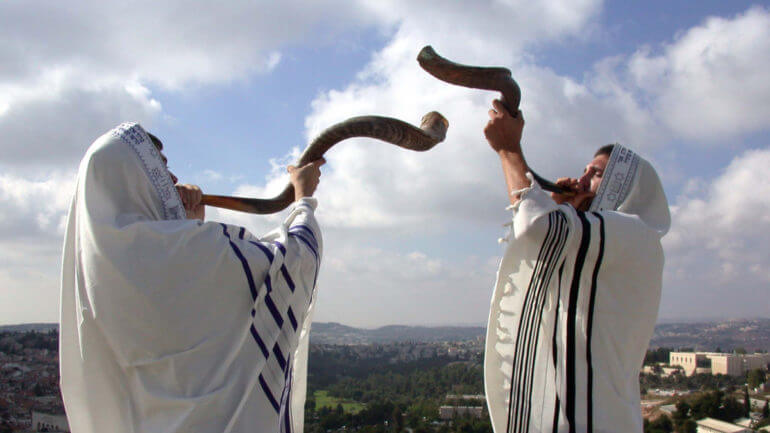
- In Judaism, the month of Elul is the final month of the Hebrew calendar, serving as a 40-day period of spiritual preparation, teshuva (repentance and return to God), and introspection that leads directly into the High Holy Days of Rosh Hashanah and Yom Kippur. It is said that in the month of Elul, the KING is in the fields!
- Core Concepts
- Teshuva (Repentance/Return): While often translated as repentance, teshuva literally means “to return.” It is a period for returning to one’s true self and to God. It’s a time for self-assessment, apologizing to those you have wronged, and correcting your path.Acronym for Love: Elul (אלול) is often viewed as an acronym for the Hebrew phrase Ani L’dodi V’dodi Li, which translates to “I am my beloved’s and my beloved is mine”. This beautiful verse highlights a month of deepening spiritual intimacy and reconnecting with the Divine.Torah Connection: It is a month heavily focused on repairing your relationship with the Torah and mitzvot (commandments) by recommitting to study and righteous living.
- Daily Shofar Blowing: Except on the Sabbath, the shofar (a ram’s horn) is sounded every morning. Its piercing cry is meant to serve as an “alarm clock” to awaken the soul from complacency and inspire introspection.
- Recitation of Psalms: It is customary to recite Psalm 27 daily during this period, focusing on seeking the presence of God.
- Thirteen Attributes of Mercy: Jewish tradition teaches that God’s grace and forgiveness are highly accessible during this month. Special prayers of forgiveness, known as Selichot, are incorporated into the daily liturgy
- The Torah alludes to Elul through key acronyms embedded in verses detailing repentance, prayer, and charity (Teshuvah, Tefillah, Tzedakah). These textual allusions transform the final month of the civil year into an intimate, forty-day sanctuary of Divine mercy leading up to Yom Kippur. 1. Song of Songs (Shir HaShirim) – Prayer & Connection
- The Verse: “I am my beloved’s and my beloved is mine” (אֲנִי לְדוֹדִי וְדוֹדִי לִי, Ani L’dodi V’dodi Li) (Song of Songs 6:3).
- The Allusion: The initial letters of these four words spell out אֱלוּל (Elul).
- The Meaning: Emphasizes that teshuvah in Elul is rooted in a reciprocal love affair between the soul and God. As Rabbi Lord Jonathan Sacks framed it, it is like the Divine reaching out to remind us we are missed.
- The Verse: “And the Lord your God will circumcise your heart and the heart of your offspring” (וּמָל ה’ אֱלֹהֶיךָ אֶת־לְבָבְךָ וְאֶת־לְבַב) (Deuteronomy 30:6).
- The Allusion: The initial letters of the phrase et levavecha et levav spell אֱלוּל (Elul). []
- The Meaning: Points directly to teshuvah. It reminds us that while we must take the first step, God assists in purifying our inner desires so we can return to our core.
- The Verse: “…sending portions to one another and gifts to the poor” (אִישׁ לְרֵעֵהוּ וּמַתָּנוֹת לָאֶבְיוֹנִים, Ish L’reehu Umatanot La’evyonim) (Esther 9:22).
- The Allusion: The initial letters of this phrase form the acronym אֱלוּל (Elul).
- The Meaning: Highlights acts of loving-kindness (gemilut chasadim) and charity (tzedakah) as essential components of our spiritual preparation during this season.
- The Verse: “…God brought it about into his hand, and I will appoint for you a place to which he will flee” (אִנָּה לְיָדּוֹ וְשַׂמְתִּי לְךָ, Ina Leyado Vesamti Lach) (Exodus 21:13).
- The Allusion: The initials of ina leyado vesamti lach spell אֱלוּל (Elul).
- The Meaning: The Arizal explains this alludes to the fact that Elul is an auspicious time for teshuvah to cover even inadvertent sins, serving as a spiritual city of refuge.
- Moses ascended the mountain on Rosh Chodesh Elul to receive the second tablets.
- He descended forty days later on Yom Kippur (the 10th of Tishri), when national atonement was finalized.
- These forty days established Elul as the yearly, recurring window for Divine mercy, forgiveness, and return.
Category: Shabbos & Chaggim
-

The Majestic Beauty of Elul – The Holy Month of Teshuva and Fresh Starts Leading into Rosh Hashanah
-

Shemini Atzeres is the Most Special Day of Year that Most Know Absolutely Nothing About
Shemini Atzeres is precisely that: an intimate, private day of connection between the Jewish people and Hashem. Following the universal focus of Sukkot, this “eighth day” is set aside exclusively for Hashem to celebrate His special relationship with the Jewish nation before they return to their everyday routines.
The concept that Shemini Atzeres is a special, private day between Hashem and His people is deeply rooted in Jewish tradition. The significance and history of this idea center on a few key concepts:
- The King and His Children: Rashi famously explains that Shemini Atzeres is like a king who invites his children to a seven-day feast. When the feast ends and it is time for them to leave, the king is so reluctant to part with them that he asks them to stay just one more day, quietly, just between the two of them.
- Intimacy vs. Universality: During the seven days of Sukkot, seventy sacrifices are offered in the Temple, representing the seventy nations of the world. On Shemini Atzeres, only a single sacrifice is offered, symbolizing an intimate, modest meal shared solely between Hashem and the Jewish people.
- Simchat Torah: In Judaism, this holiday is closely linked with or immediately followed by Simchat Torah (Rejoicing in the Torah). This is when the Jewish people complete the annual reading of the Torah and immediately begin it again. It serves as a physical, joyous expression of the eternal, unbroken bond between the Jewish people, the Torah, and Hashem
October 7, 2023, coincided with the sacred Jewish holidays of Shemini Atzeres (and Simchas Torah in Israel), marking the single deadliest day for the Jewish people since the Holocaust. This convergence permanently intertwined a day of ultimate divine intimacy and joyous celebration with profound national trauma and mourning.
-

The Dividing Line in Jewish Observance is Whether One is Shabbos Observant
In Jewish tradition, keeping Shabbat (Shomer Shabbos) is considered equal to observing the entire Torah. Because Shabbat is the ultimate expression of faith in Creation and the covenant between God and the Jewish people, violating it is treated as breaking the whole Torah, while guarding it carries equivalent weight to all other mitzvot combined.
The concept of one mitzvah balancing the entire Torah comes from a few distinct places in classical rabbinic literature:
1. The Classical Sources
- Jerusalem Talmud (Yerushalmi): In Yerushalmi Nedarim (3:9) and Yerushalmi Peah (1:1), the text connects the dots between faith and action, pointing out that rejecting Shabbat is akin to rejecting all commandments.
- The Rambam (Maimonides): In his Mishneh Torah, Maimonides notes that the mitzvah of Shabbat is equivalent to all the other mitzvot in the Torah combined, as it serves as an eternal sign of the bond between God and the Jewish people.
- Midrashic Teachings: As outlined in Shemot Rabbah (25:12) and Yalkut Shimoni, the rabbis teach that if the Jewish people were to perfectly keep even a single Shabbat, it would carry the spiritual weight to bring about the ultimate redemption, because full observance demonstrates complete alignment with God’s design.
2. The Weight of Talmud Torah
It is worth noting that alongside Shabbat, the study of Torah (Talmud Torah) is famously cited in the Mishnah (Peah 1:1) as being c’neged kulam—equal to all the other mitzvot combined.
Why is Shabbat the Litmus Test?
Scholars and commentators, such as the Or HaChaim, explain that being Shomer Shabbos means actively guarding, anticipating, and delighting in the day as a “taste of the world to come” (me’eyn olam ha’ba). It is an all-encompassing state of awareness rather than just a momentary action, which is why it holds such a supreme place in Jewish law and identity
-

There is Nothing in Judaism More Important than the Mitzvah of Shabbos
Shabbat is the foundational pillar of Jewish life and the only ritual embedded directly in the Ten Commandments. In the Torah, it signifies a sacred covenant of rest, memorializing the creation of the universe and liberation from slavery. It sanctifies time, placing spiritual connection above material labor.
Core Theological Foundations
- Commemorating Creation: Shabbat mirrors God resting on the seventh day after six days of creation (Genesis 2:2-3). By resting, humans acknowledge God as the Creator and Sovereign of the universe.
- Commemorating the Exodus: In Deuteronomy’s version of the Ten Commandments, Shabbat is tied to the liberation of the Israelites from slavery in Egypt (Deuteronomy 5:14-15). It ensures freedom and dignity, granting a mandatory day off to all workers, servants, and even animals.
A Sign of the Covenant
- The Ultimate Testimony: Observance serves as an explicit, weekly testimony (Edut) of faith in God.
- “A Cathedral in Time”: As famously articulated by theologian Rabbi Abraham Joshua Heschel, Shabbat builds a sanctuary in time rather than space, allowing believers to focus on being rather than doing.
Observance and Practice
- Refraining from Creative Work (Melachah): Abstaining from 39 categories of prohibited labor—such as cooking, traveling, and commerce—creates a complete break from weekday productivity.
- Sanctification and Joy (Oneg Shabbat): The day is celebrated with festive meals, Torah study, family time, and synagogue prayers, transforming it into a spiritual delight rather than a burdensome restriction