Introduction: The True Meaning of Rosh Hashanah
The phrase Rosh Hashanah is often translated as new year, but this is a mistake. The exact translation from Hebrew is head of the year. This distinction carries a deep spiritual secret. Just as the brain controls the entire human body, Rosh Hashanah functions as the nerve center for the twelve months that follow. Every thought, prayer, and decision made on this day acts as a command center, directing the spiritual energy and physical life force for the rest of the year.
The Hidden Holy Day of the Torah
It is a surprise to many that the name Rosh Hashanah never appears in the Torah. Instead, the Torah refers to this holy day as Yom Teruah, which means the day of the blast, or Zichron Teruah, which means a memorial of the blast. The Torah tells us it takes place on the first day of the seventh month. The text keeps the true nature of the day hidden under a veil of mystery. Torah Judaism teaches that God concealed the name and specific nature of this judgment day to prevent spiritual accusers from disrupting our prayers, keeping the profound spiritual process a hidden secret between God and humanity.
The Paradox of the Seventh Month
It seems confusing that the head of the year falls on the seventh month of the Hebrew calendar, rather than the first month, which is Nisan. Nisan represents physical freedom and the birth of the Jewish nation during the Exodus from Egypt. The seventh month, Tishrei, represents spiritual creation. The word for year in Hebrew is shanah, which shares a root with the word for change or repeat. The number seven always represents holiness and completion in Torah thought, just as the seventh day is Shabbat. Therefore, the seventh month is the Shabbat of the year, a time of complete renewal where the world is spiritually born again from its head.
The Secret of the Silent Shofar on Shabbat
The primary commandment of this holy day is to hear the blasts of the shofar, which is a ram’s horn. However, when the first day of the holiday falls on Shabbat, Jewish law commands that the shofar must remain silent. On a surface level, the Talmud explains this is a protective decree to prevent someone from accidentally carrying the shofar in a public area on the day of rest.
On a deeper spiritual level, the shofar is not needed because Shabbat itself achieves the exact same spiritual outcome. The blast of the shofar is a cry from the lower world to awaken divine mercy and crown God as king. Shabbat is a day where God’s kingship is already completely revealed and felt. The silence of the shofar on Shabbat shows that the peace and holiness of the day of rest carry us directly to the divine throne without the need for an awakening blast.
A Call for Spiritual Progression
Rosh Hashanah invites every person to look beyond the surface of the calendar and enter a space of deep self-examination. It is a time to shift focus from the routine of daily life toward a higher spiritual purpose.
The Anniversary of Creation
A common misunderstanding is that Rosh Hashanah celebrates the first day of creation. According to Jewish tradition, the world was actually created five days earlier. Rosh Hashanah marks the sixth day of creation. This is the exact day when God created the first human beings, Adam and Eve.
Because it marks the birth of humanity, the holiday celebrates the relationship between God and people. It serves as a reminder that the world was made for a purpose. Humans were created to find holiness in the physical world and to recognize God as the creator.
The Day of Coronation
A central theme of Rosh Hashanah is declaring God as King of the universe. In Jewish thought, a king cannot be a king without a people who willingly accept his rule. Every year on this day, humanity accepts God as the ultimate ruler once again.
This act of coronation is why the prayers on Rosh Hashanah focus heavily on the majesty, power, and kingship of God. It is a time for people to renew their loyalty to their creator and promise to live by His laws in the coming year.
The Day of Judgment
Rosh Hashanah is also known as Yom Hadin, which means the Day of Judgment. Torah Judaism teaches that on this day, God sits on a throne of judgment and reviews the life of every single person.
The Talmud, a major book of Jewish law and tradition, explains that three books are opened in heaven on this day. One book is for the completely righteous people. Another book is for the completely wicked people. The third book is for the people who fall somewhere in the middle, which includes most humans.
God examines each person’s actions, thoughts, and words from the past year. He then decides what will happen to them in the upcoming year. This includes judgments about who will live, who will die, who will be wealthy, and who will suffer.
The Purpose of the Shofar
The most famous commandment of Rosh Hashanah is to hear the sounding of the shofar, which is a trumpet made from a ram’s horn. The Torah calls this day Yom Teruah, or the day of sounding the horn.
The shofar has many deep meanings. First, it mimics the trumpets used to crown a human king, signaling the coronation of God. Second, the sharp, crying sound of the shofar acts like a spiritual alarm clock. It is meant to wake up the human soul from a spiritual sleep. It warns people to stop making mistakes, look at their lives, and return to God. Third, the ram’s horn reminds God of the binding of Isaac, a famous Torah story where Abraham showed total loyalty to God, which brings merit to Abraham’s descendants.
Repentance and Transformation
Rosh Hashanah begins a ten day period called the Ten Days of Repentance, which ends on Yom Kippur, the Day of Atonement. In Hebrew, repentance is called Teshuva. Teshuva does not just mean saying sorry. It literally means to return.
The true goal of Rosh Hashanah is to return to a state of spiritual purity. It is an opportunity to look inward, recognize mistakes, and actively change one’s behavior. Torah Judaism teaches that God is full of mercy and always welcomes a person who sincerely wants to change for the better. The judgment is not meant to scare people, but to motivate them to grow.
The Symbols of the Holiday
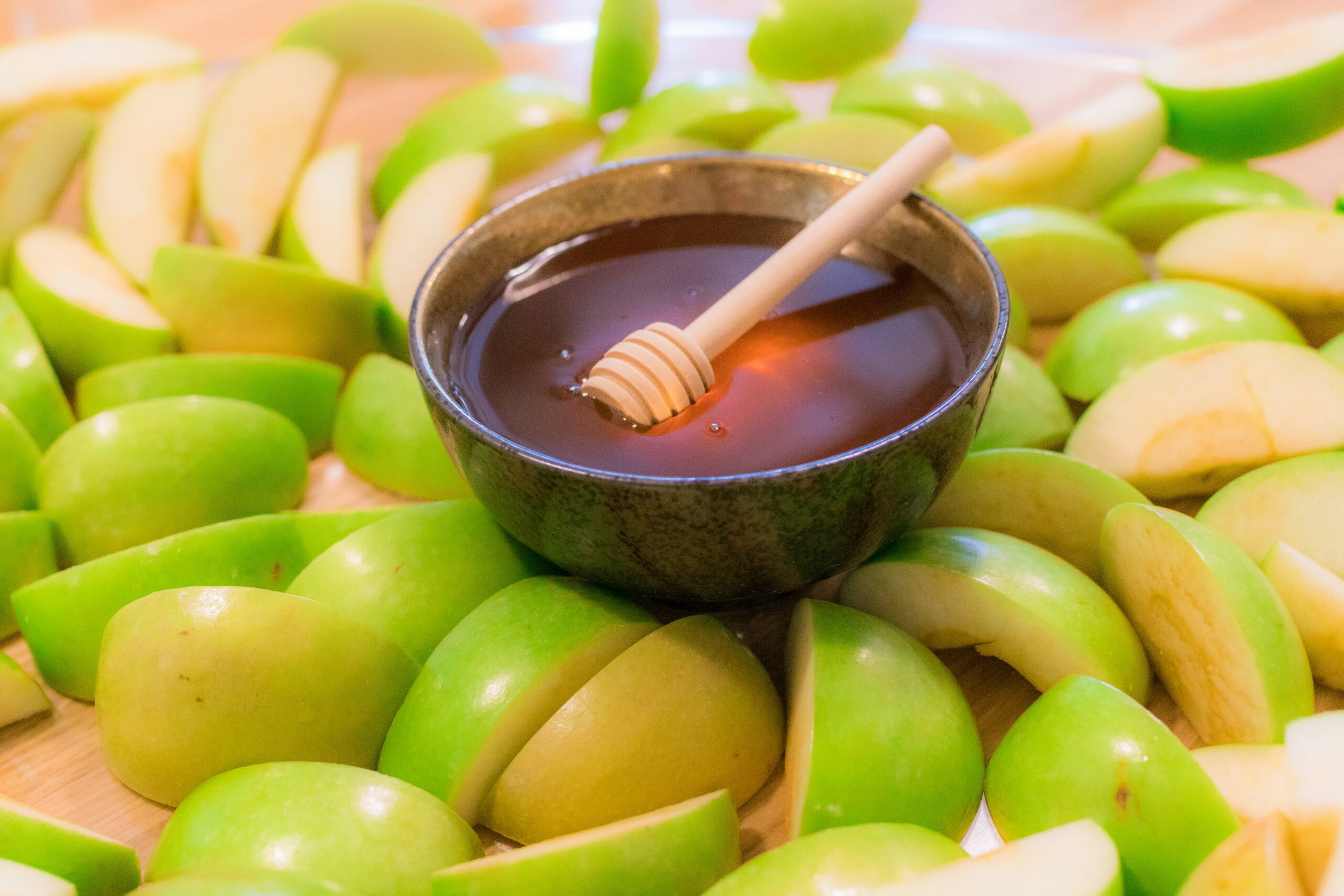
Even the foods eaten on Rosh Hashanah carry deep spiritual meaning. People dip sweet apples into honey to express their hope for a sweet and good new year. A round challah bread is eaten instead of a twisted one to represent a crown for God and the smooth, continuous cycle of life. Many people also eat the head of a fish or a ram to symbolize the desire to be at the head, or a leader in doing good deeds, rather than at the tail.
I am humbly asking for your generous help supporting this noble Torah foundation; please consider us for a tax deductible donation at the link below…help me elevate the Jewish nation one precious soul at a time! https://causematch.com/chaiontorah
https://a.co/d/0haLjSuq – My book COCAINE TO AMEN