The Torah Prohibition on Tattoos
The direct answer to why tattooing is deeply reviled in Torah Judaism lies in its connection to idolatry, the ownership of our bodies, and the rejection of the divine image in which we were created. While it is a specific negative commandment, the structure of the text and its historical context reveal that tattooing strikes at the very core of the relationship between a Jewish soul and God.
The Biblical Context and Structure of the Law
The primary source for the prohibition of tattoos is found in the Book of Leviticus, Chapter 19, Verse 28. The verse states that you shall not make gashes in your flesh for the dead, and you shall not imprint any tattoo marks upon yourselves, finishing with the declaration, I am the Lord.
The structure of this verse provides the first major clue to its severity. It is placed immediately adjacent to laws forbidding pagan mourning rituals, such as cutting the skin or marring the corners of the beard. In the ancient world, tattooing was a standard practice used to mark oneself as a servant or devotee to a specific idol. By placing the phrase I am the Lord at the end of the prohibition, the Torah emphasizes that tattooing is a direct denial of God’s exclusive authority over the human being. It replaces the permanent mark of a false deity with the ultimate truth of God’s sovereignty.
The Concept of Body Stewardship
In Torah thought, a human being does not own their body. The body is a temporary vessel loaned to the soul by God. Because the body is divine property, a person is tasked with being a grateful and considerate steward of this wondrous gift.
Just as it is forbidden to damage or vandalize a rented property, it is forbidden to permanently alter or deface the body that God designed. Tattooing represents an assertion of absolute self-ownership, a statement that says my body belongs to me and I can do with it what I want. This mindset directly contradicts the foundational Jewish belief that our lives, bodies, and souls belong entirely to the Creator.
The Defacement of the Divine Image
Human beings are created in the image of God. This does not mean God has a physical form, but rather that the human body is designed to reflect divine holiness and spiritual potential in the physical world.
When a person alters their skin with permanent dye, they are effectively rewriting the canvas that God created. It is viewed as an act of hubris, implying that the human being can improve upon or permanently change the perfect design of the Almighty. The skin is meant to remain pure, acting as a clean garment for the holy soul inside.
The Paradox of Holocaust Commemoration Tattoos
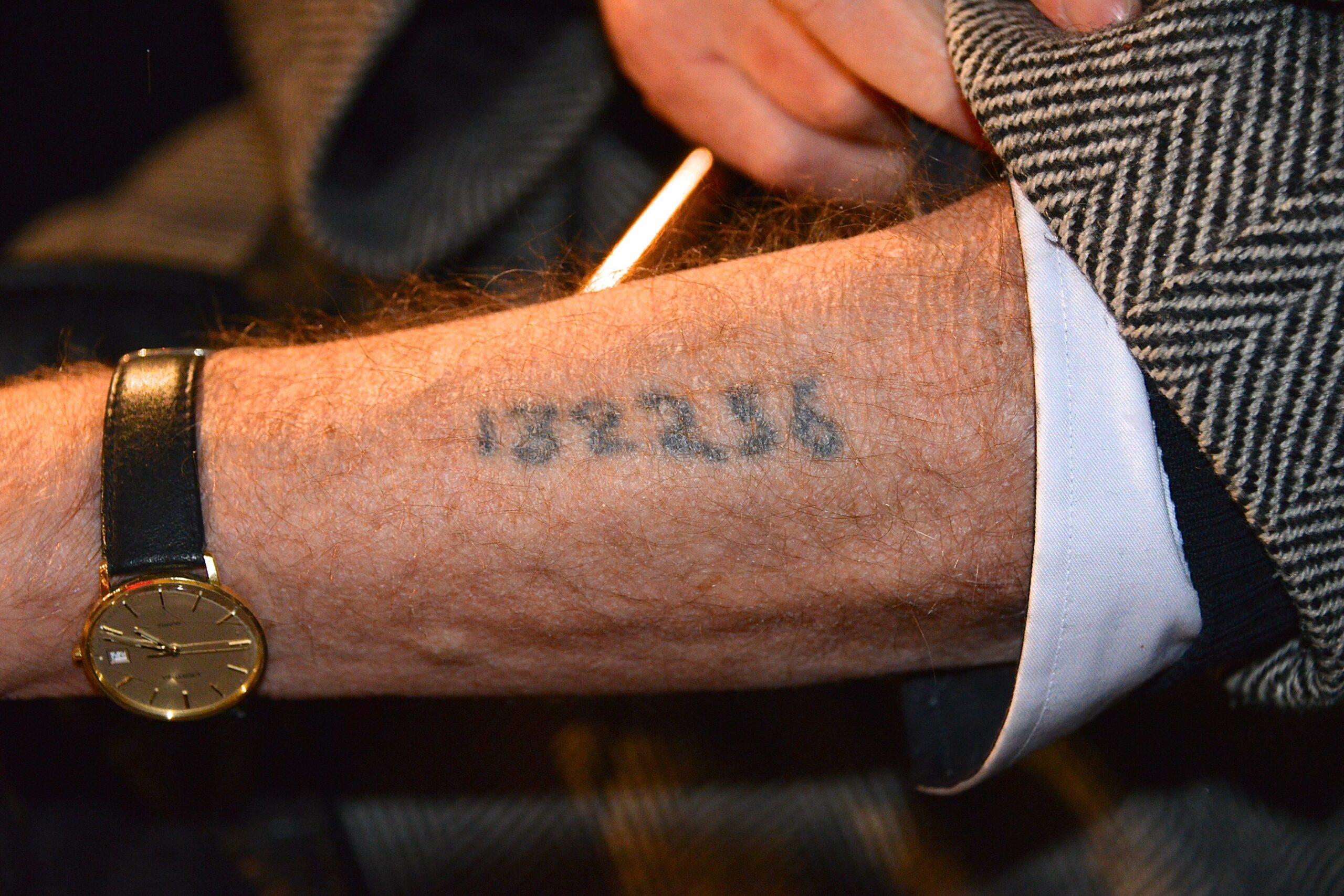
The growing trend of descendants of Holocaust survivors voluntarily tattooing their ancestors concentration camp numbers onto their own arms highlights a profound spiritual disconnect in the modern world. While the intention behind this act is born out of love, honor, and a desire to never forget, the method chosen is a tragic paradox.
The Nazi regime used tattoos specifically to dehumanize the Jewish people, treating them like cattle and attempting to strip away their divine dignity. To voluntarily recreate the very mark of oppression using a method that the Torah explicitly forbids is a deeply misguided action. It serves as a stark litmus test for how far modern concepts of remembrance have strayed from authentic Torah values. Honoring a survivor is best achieved by living a life of vibrant Jewish commitment and fulfilling the commandments, rather than adopting the physical scars of their oppressors through a prohibited act.
Spiritual Consequences and Rectification
Tattooing is unique because it creates a permanent, physical testimony of a transgression on the body itself. Unlike other misdeeds that leave no visible trace, a tattoo remains an ongoing statement etched into the flesh.
However, Torah Judaism teaches that the path of return and repentance is always open. While the physical mark may remain, sincere regret and a return to God’s path can elevate the soul. The revulsion toward the act is meant to teach us the immense value of our physical selves, reminding us that every inch of our body is sacred and must be preserved to serve the Creator.
I am humbly asking for your generous help supporting this noble Torah foundation; please consider us for a tax deductible donation at the link below…help me elevate the Jewish nation one precious soul at a time! https://causematch.com/chaiontorah
https://a.co/d/0haLjSuq – My book COCAINE TO AMEN