The Concept of Manna and Human Effort
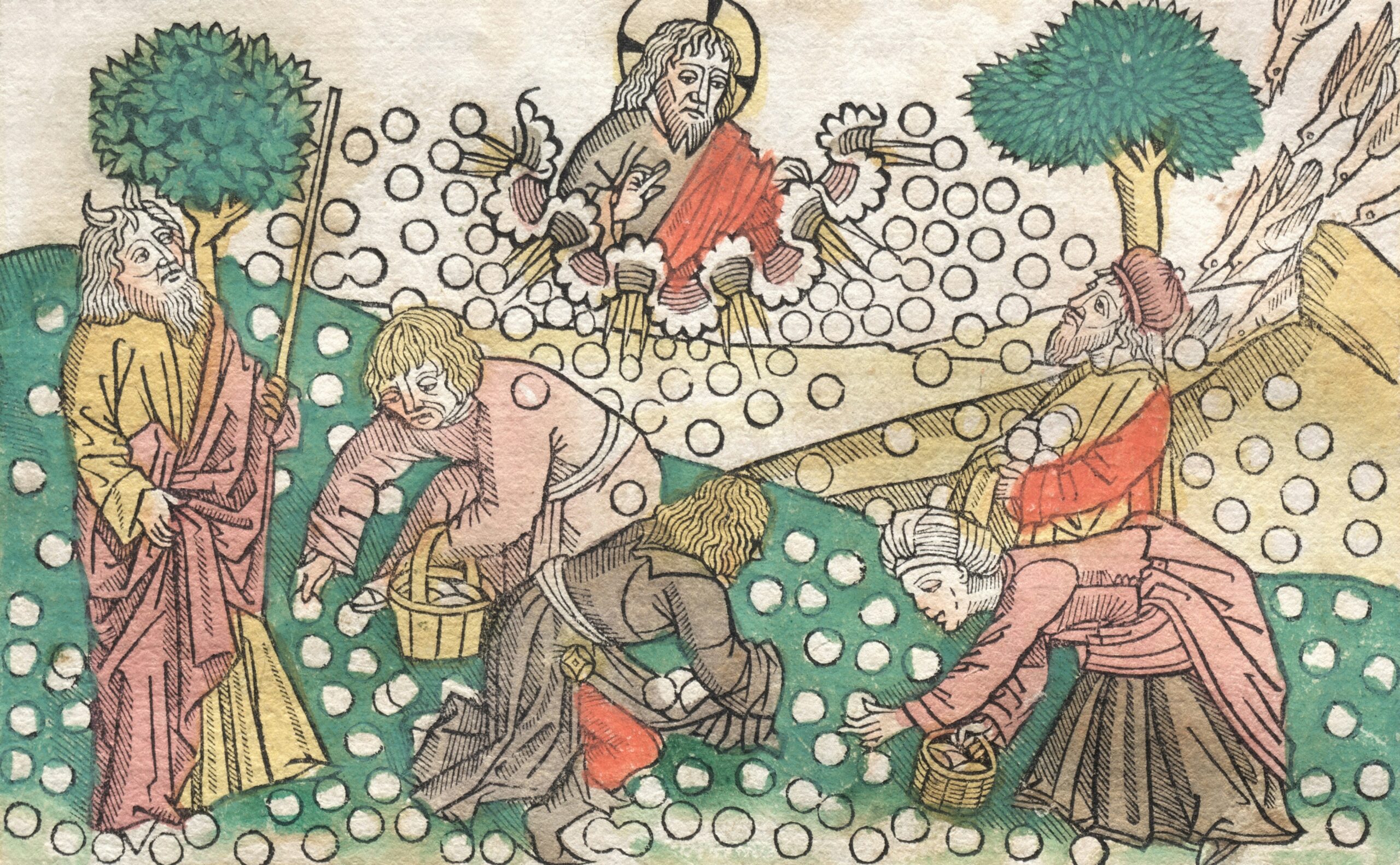
The story of the manna is not just a historical event that happened to the ancient Israelites in the desert. It is a timeless blueprint for how a person should view sustenance, stress, and control in their daily life. In the desert, the Jewish nation could not farm, hunt, or store food for the future. Every single day, they had to look up to the sky and trust that their food would arrive. This unique setup was designed to break the human illusion of self-sufficiency. In modern life, people often believe that their hard work, clever decisions, and long hours are the direct cause of their financial success. The lesson of the manna flips this logic entirely. It teaches that while humans must put in effort, the effort itself does not guarantee or create the outcome. The outcome is already determined by a higher power, and human effort is merely a vessel to receive it.
The Shift from Provider to Receiver
Much of the anxiety, burnout, and stress in modern society comes from the heavy psychological burden of feeling like a provider. When an individual believes that the survival and comfort of their family rest solely on their shoulders, every market dip, career hurdle, or unexpected expense becomes a source of terror. Torah philosophy uses the manna to reframe this mindset. A person is not actually a provider; they are a receiver. When you shift your identity from a provider to a receiver, the pressure lifts. You realize that the same source that fed millions of people in a barren wasteland for forty years is the same source funding your bank account today. Your job is simply to show up, do your daily tasks with integrity, and leave the results to the Creator.
The Futility of Overwork and Hoarding
One of the most fascinating rules of the manna was that it could not be saved for the next day. Anyone who tried to hoard extra manna found that it bred worms and rotted overnight. The only exception was Friday, when a double portion fell for the Sabbath. This contains a radical psychological lesson about overworking and greed. People often sacrifice their health, family time, and peace of mind to accumulate more than they need, thinking it will give them security. The manna shows that extra effort expended past what is required does not actually yield more sustainable blessing. It often leads to anxiety and waste. True security does not come from a massive surplus stored in a barn or a bank; it comes from a living relationship with the Source of all blessings.
Internalizing the Desert Mindset Today
Living with the mindset of the manna means changing how you react to both success and failure. When a business deal succeeds, a person who understands the manna does not become arrogant, because they know the money fell from heaven just like the desert bread. When a plan fails despite maximum effort, they do not fall into despair, because they understand that the specific door was closed for a reason, and their sustenance will arrive through a different channel. This internalization transforms life from a frantic struggle for survival into a peaceful walk of faith. It allows a person to work hard without losing their soul to stress, knowing that their true job is to look upward.
The Double Portion and the Essence of Sabbath Rest
The arrival of a double portion of manna on Friday, known as the Lechem Mishneh, provides the foundational template for the entire concept of the Sabbath rest. On the sixth day of the week, the Israelites discovered that they had collected twice as much food as usual without any extra physical exertion. This phenomenon demonstrated that the blessings of the Sabbath do not require human labor to manifest. In the modern world, the idea of stopping all productive work for an entire day can trigger deep financial anxiety. People worry that by resting, they are losing valuable time and income. The double portion of manna addresses this fear directly. It shows that the sustenance for the holy day is already provided in advance. Rest is not a loss of productivity, but an act of trust that the universe is being sustained by a higher power even when human hands are idle.
The Psychological Freedom of Ceasing Effort
True rest is not merely the physical cessation of work; it is the emotional liberation from the burden of managing the world. On the Sabbath, a person is commanded to view all their work as if it is completely finished. This psychological state is only possible when one internalizes the lesson of the Friday manna. If a person believes that their survival depends entirely on their daily labor, they can never truly rest, because their mind will remain tethered to their deadlines, strategies, and financial worries. The double portion proves that human effort is not the ultimate driver of outcomes. By stepping away from work on the Sabbath, an individual actively declares that they are a receiver rather than a creator, allowing the soul to experience a profound sense of peace that cannot be achieved through a simple vacation or break.
The Miracle of Preservation
Another crucial aspect of the Friday manna was its supernatural preservation. Throughout the week, any manna left over until the morning would rot and breed worms, teaching the people not to hoard out of fear for tomorrow. Yet, the extra portion gathered on Friday remained perfectly fresh, wholesome, and delicious through the Sabbath day. This distinction reveals that time and material goods change their nature when dedicated to a spiritual purpose. When a person dedicates their time to resting and connecting with the divine, the resources they accumulated during the week receive a unique blessing of longevity and sufficiency. The preservation of the manna shows that the physical world bends to support spiritual choices, reassuring a person that their material needs will never suffer because they chose to honor the day of rest.
Elevating the physical through the Sabbath Table
Today, the memory of the desert miracle is kept alive every single week at the Sabbath table through the practice of placing two loaves of bread at the start of the meal. These two loaves serve as a direct visual anchor to the double portion of manna. Additionally, the tradition of covering the bread with a beautiful cloth mimics the layer of dew that covered the manna in the desert, protecting it from above and below. This ritual elevates the act of eating from a basic physical necessity into a high spiritual experience. It reminds everyone present that the food on their table, the roof over their heads, and the safety of their families do not originate from their office desks, but descend directly from the skies, just as it did for their ancestors in the desert.
I am humbly asking for your generous help supporting this noble Torah foundation; please consider us for a tax deductible donation at the link below…help me elevate the Jewish nation one precious soul at a time! https://causematch.com/chaiontorah
https://a.co/d/0haLjSuq – My book COCAINE TO AMEN