
In Genesis 1, God is referred to exclusively as Elohim (אֱלֹהִים), the name denoting justice and universal power. The personal, four-letter divine name (Hashem) first appears in Genesis 2:4 combined as Elohim.
The shift between these names in Torah tradition represents distinct aspects of the Divine:
The Shift in Names
- Genesis 1 (Elohim): The text utilizes Elohim to depict God as the transcendent Creator of the macro-universe. In Jewish tradition, Elohim is the name of strict justice, law, and the natural order.
- Genesis 2 (Hashem / YHWH Elohim): The text shifts to YHWH Elohim (translated as “LORD God”) when God interacts intimately with humanity on a micro-level (forming man from dust, breathing life, and planting a garden). YHWH represents mercy, compassion, and a personal, covenantal relationship.
How Scholars and Rabbis View the Shift
- Classical Rabbinic View (Rashi, Nachmanides): Sages explain that the single author (Moses) purposely used different names to reveal different attributes. Elohim denotes God’s attribute of strict justice (middat ha-din), while the Tetragrammaton denotes His attribute of mercy (middat ha-rachamim.
In classical Jewish Midrashic and mystical literature, creation fell because the earth, trees, and animals rebelled against God’s primordial design, acting as co-conspirators in the cosmic breakdown alongside Adam and Eve.
1. The Trees and the Earth Sinned
According to the Midrash (Genesis Rabbah 5:9), God originally commanded the earth to create fruit-bearing trees where the bark and wood tasted exactly like the fruit.
- The Transgression: When the earth brought forth the trees, the trees themselves disobeyed. The wood tasted like wood, while only the fruit was sweet.
- The Consequence: Because the earth and the trees failed to follow God’s explicit instruction to make the tree itself an edible delicacy, God cursed the earth and the ground upon Adam’s fall.
2. The Bushes (Vegetation)
In the literal timeline of the Garden of Eden, after eating the forbidden fruit, Adam and Eve realized their nakedness and attempted to hide behind the bushes. Mystical and Midrashic commentaries treat the vegetation of the garden as having “aided and abetted” the transgression by becoming material covers for human shame, solidifying the rupture between humanity’s spiritual state and the physical world.
3. The Animals Sinned
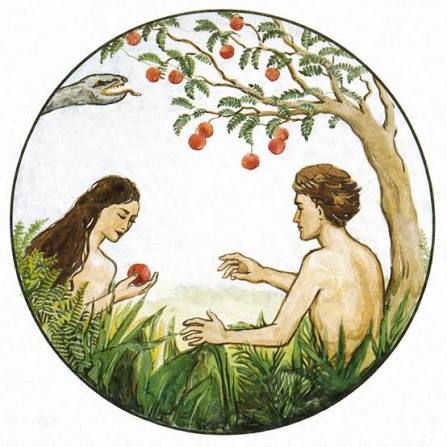
The animal kingdom’s primary transgression centers on the serpent (nachash), which is described in Genesis 3:1 as the craftiest of all beasts.
- The Transgression: The serpent not only enticed Eve but also exhibited jealousy toward Adam. In certain Midrashic interpretations, the animals also copulated with or broke boundaries within Eden, while all beasts were ultimately cursed to crawl on their bellies or lose their elevated status because they facilitated the primary human defiance.
4. Adam Sinned
Adam’s core sin was not simply eating an apple, but rather severing the connection between the physical world and its divine source. By plucking the fruit without acknowledging where it came from, he introduced mortality, the “evil inclination” (yetzer hara), and a mixture of good and evil into his very soul.