
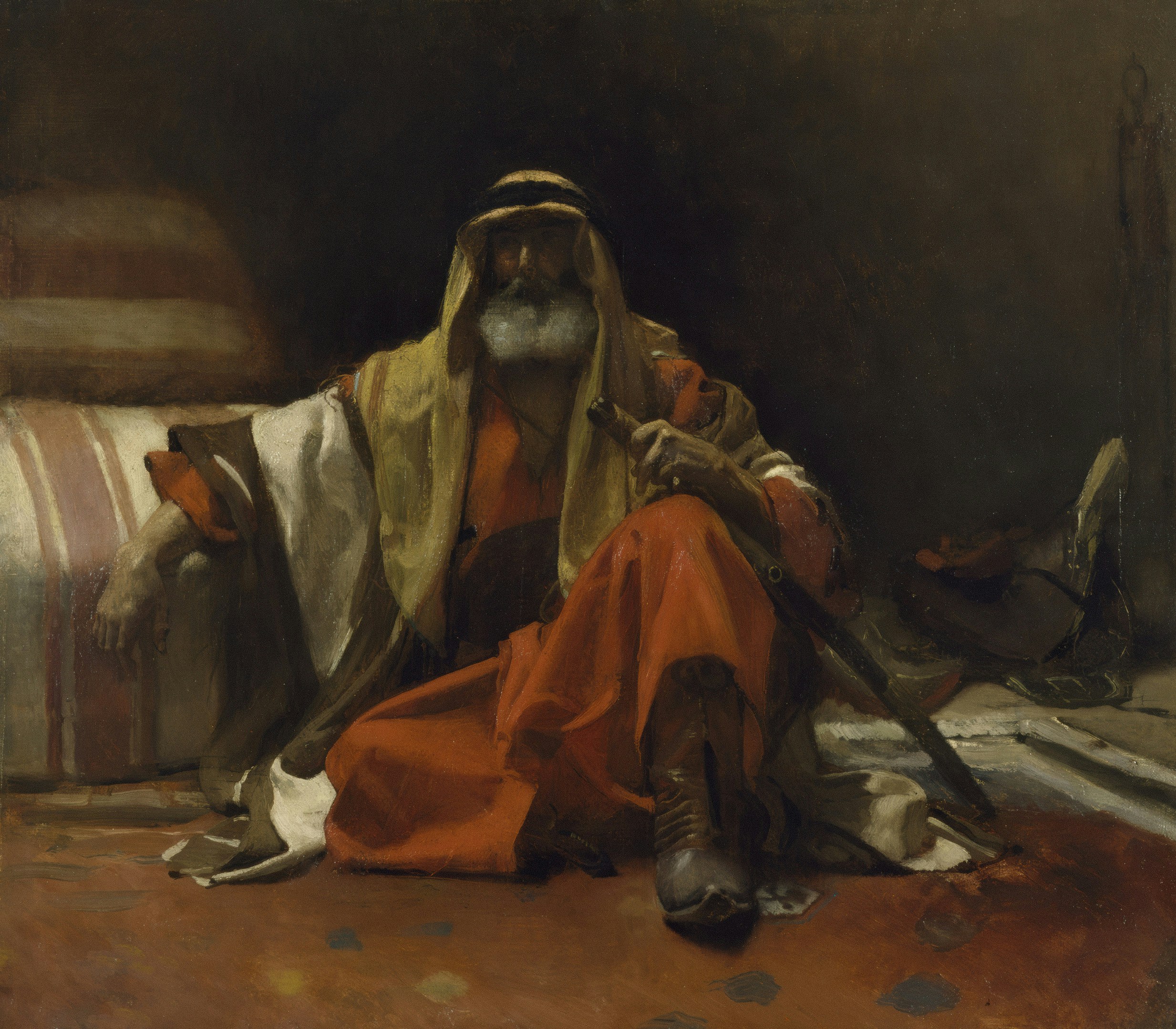
Elijah the Prophet (Eliyahu Hanavi) is Judaism’s most beloved prophet, symbolizing ultimate redemption, unwavering zeal for the covenant, and the resolution of complex Torah law. He invisibly attends every brit milah and is sung about weekly at the conclusion of Shabbat.
Key Roles in Torah and Tradition
- Heavenly Scribe of Merits: According to mystical tradition found in the Shulchan Aruch HaRav, Eliyahu sits under the Tree of Life in Gan Eden every Motzei Shabbat (Saturday night) recording the good deeds and merits of the Jewish people.
- Witness to the Covenant: He is present at every brit milah (circumcision) as an angelic guardian and witness to ensure the eternal covenant between God and Abraham is upheld.
- The Final Arbiter: In Talmudic debate, when a halachic dispute cannot be resolved, the rabbis commonly defer the answer to the future when Eliyahu arrives, using the phrase Teyku (Let it stand until Tishbi comes).
- Herald of Redemption: He is destined to return to earth to announce the coming of Moshiach (the Messiah), a theme heavily emphasized in the traditional Eliyahu Hanavi (piyyut) sung on Saturday nights.
Eliyahu HaNavi’s (Elijah the Prophet) showdown on Mount Carmel (1 Kings 18) is one of Judaism’s most iconic narratives. The prophet challenged 450 prophets of Baal to a contest of divine fire to end a severe drought, proving that Hashem is the one true God and inspiring mass repentance
Eliyahu HaNavi (Elijah the Prophet) acts as Judaism’s ultimate intergenerational link and the zealous defender of the Torah. He bridges biblical history with the future by ensuring the continuity of the covenant, resolving complex Torah laws, and heralding the ultimate redemption.
Core Roles in Jewish History & Tradition
- Defender of the Covenant: In the Book of Kings, Eliyahu fiercely combats the idolatry of King Ahab and Queen Jezebel to preserve the monotheistic faith and the laws of Moses. According to midrashic tradition (such as Pirkei D’Rabbi Eliezer), when the Northern Kingdom outlawed circumcision, Eliyahu fought to protect the practice, earning his eternal seat of honor at every Brit Milah (ritual circumcision) as a witness to the covenant.
- The Harbinger of Redemption: The prophet Malachi concludes the prophetic canon by stating that God will send Eliyahu before the “great and terrible day of God”. In Jewish eschatology, Eliyahu is tasked with resolving unresolved disputes in Halacha (Torah law) and announcing the arrival of the Messiah.
- Presence in Ritual and Folklore:
- Passover Seder: Households pour a fifth cup of wine and open the door for Eliyahu, symbolizing divine protection and hope for the future redemption.
- Motza’ei Shabbat (End of Shabbat): Jews sing the Eliyahu Hanavi (piyyut) during Havdalah, praying for the prophet to arrive swiftly with the Messiah, son of David.
- Study and Mysticism: Tradition records that Eliyahu frequently intervenes to assist individuals in distress and reveals hidden, mystical secrets of the Torah to great scholars.