
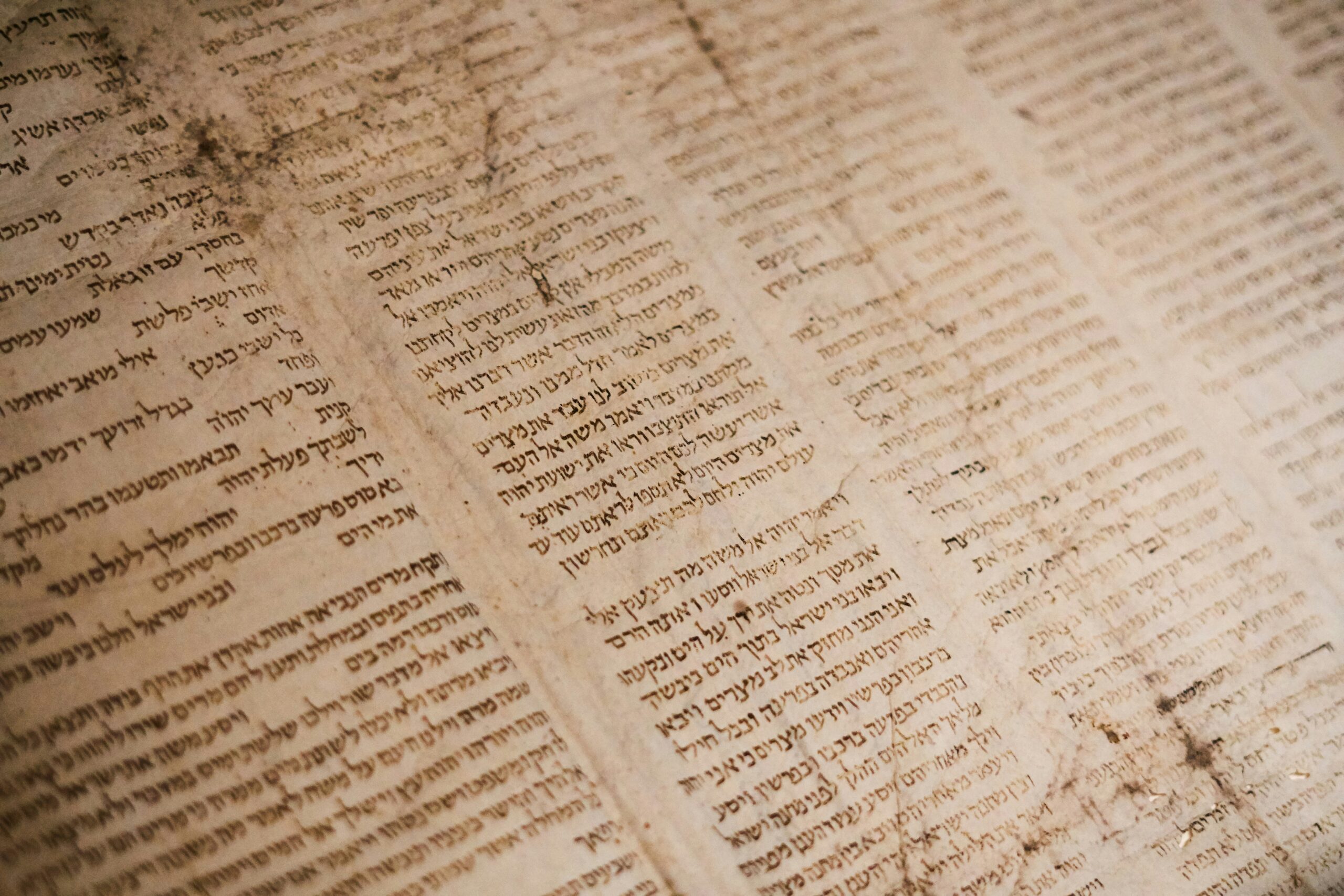
Isaiah, Jeremiah, and Ezekiel are the primary literary prophets of the Hebrew Bible (Tanakh). Their extensive texts define the Nevi’im (Prophets) section. They warned ancient Israel and Judah of impending judgment for social injustice and idolatry, while offering profound visions of future restoration, covenant renewal, and the ultimate holiness of God.
1. Isaiah (Yeshayahu)
- Scope & Context: Comprising 66 chapters, the Book of Isaiah is the largest prophetic work. He prophesied in Jerusalem during the 8th century BCE amid the rise of the Assyrian Empire.
- Core Message: Focuses heavily on the absolute sovereignty and holiness of God, severe rebukes against corruption, and sweeping visions of universal peace (e.g., swords beaten into plowshares) and ultimate comfort for Jerusalem.
2. Jeremiah (Yirmiyahu)
- Scope & Context: Spanning 52 chapters, Jeremiah lived through the turbulent collapse of the Kingdom of Judah and the destruction of the First Temple by the Babylonians in 586 BCE.
- Core Message: Known as the “weeping prophet” due to the intense emotional anguish in his writings, Jeremiah championed personal responsibility, predicted the 70-year Babylonian exile, and introduced the revolutionary concept of an internalized “New Covenant” written on the heart.
3. Ezekiel (Yechezkel)
- Scope & Context: A priest who was exiled to Babylonia before the fall of Jerusalem, Ezekiel’s book contains 48 chapters rich with mystical, visionary imagery (like the Valley of Dry Bones and the Divine Chariot).
- Core Message: Emphasizes individual accountability before God, the role of the prophet as a “watchman,” and the eventual return of God’s glory to a restored Temple and land.